Executive Procurement Briefing: Search Intent & Technical Insights
Primary Buyer Objective: Hospital procurement executives and orthopedic surgeons searching for high-torque, cannulated, autoclavable battery-operated surgical drills require actionable data on torque stability, battery cycle life, thermal safety thresholds, brushless motor durability, and international regulatory compliance (ISO 13485 / CE / FDA).
Information Gain Summary: Unlike standard commercial catalogs, this document provides deep technical evaluations on preventing thermal osteonecrosis during reaming, aseptic battery transfer techniques, Lithium-ion cell battery management systems (BMS), and total cost of ownership (TCO) benchmarks for high-volume surgical centers.
1. The Critical Role of Battery Operated Surgical Drills in Modern Orthopedic Surgery
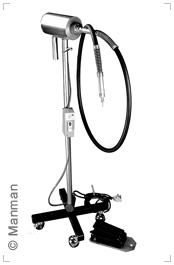
The modern operating theater demands absolute precision, mobility, and reliability. High-speed surgical power tools have evolved from bulky pneumatic lines and restrictive wall-plug electrical cords into lightweight, ergonomic, battery-operated surgical drills. In procedures such as intramedullary nailing, traumatology plating, joint arthroplasty, and craniotomy, the surgical drill is an extension of the orthopedic surgeon's hands.
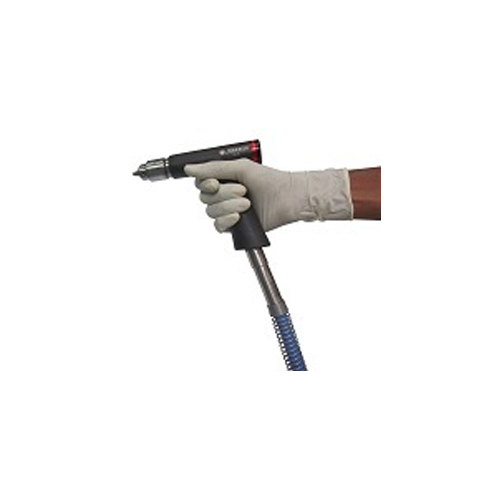
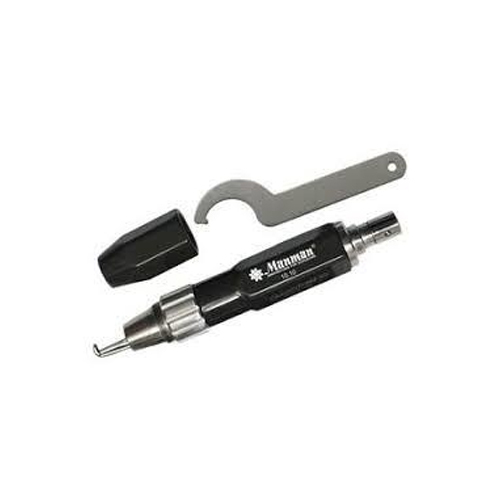
A high-performance battery operated surgical drill must deliver consistent variable speed and immense torque while maintaining a cool running temperature to protect surrounding biological tissue. In traumatology, cannulated battery drills allow the seamless passage of Kirschner wires (K-wires) and guide wires, facilitating percutaneous fixation and precise reaming of the femoral or tibial medullary canals.
1.1 Engineering Architecture: Motors, Gearboxes, and Drive Systems
At the core of top-tier surgical power tools lies advanced motor technology. Modern surgical drills utilize Brushless Direct Current (BLDC) motors. Standard brushed motors generate micro-particles from carbon brush wear, posing contamination risks within a sterile surgical field. BLDC motors eliminate brush friction, yielding significant operational benefits:
- Thermal Safety & Heat Dissipation: Efficient power conversion ensures body temperature stays well below the critical 47°C threshold, mitigating thermal osteonecrosis risks during prolonged bone drilling.
- High Torque-to-Weight Ratio: Delivers instant rotational force up to 10,000 RPM for high-speed drilling, or high-torque reaming at 300–500 RPM with up to 10–12 Nm of rotational force.
- Hermetic Sealing & Autoclavability: Motor windings and electronic controls are encased within high-grade stainless steel (316L) or anodized aviation aluminum, protecting internal components against aggressive steam sterilization protocols.
| Performance Characteristic | Legacy Pneumatic / Corded Drills | Standard Battery Drills (NiMH) | Advanced Li-ion Battery Drills (Bharucha Supplied) |
|---|---|---|---|
| Mobility & Maneuverability | Restricted by air hoses or power lines | Cordless, high battery mass | Unrestricted 360° rotation, optimized ergonomic balance |
| Torque Consistency | High, dependent on compressor line | Voltage drops rapidly during load | Constant power output via smart BMS microcontrollers |
| Sterilization Method | Hose sterilization required | Aseptic battery shield transfer | Full steam autoclave handpiece (134°C / 0.22MPa) |
| Maintenance & TCO | High hose/compressor maintenance | Frequent battery cell replacement | Low maintenance, 500+ battery charge cycles |
2. Key Technical Selection Criteria for Hospital Procurement Officers
Global medical buyers must look beyond basic wattage ratings when evaluating battery-operated surgical drill systems for institutional procurement. When reviewing tenders or negotiating OEM supply agreements, evaluate the following parameters:
2.1 Cannulation Diameter and Pass-Through Versatility
For trauma and intramedullary procedures, cannulation capability is mandatory. A cannulated drill features a hollow center shaft extending through the handpiece and chuck. Standard cannulation diameters range from 4.0 mm to 4.5 mm, accommodating standard K-wires (1.5 mm to 3.0 mm) and guide rods. Ensure the chuck mechanism maintains concentricity under heavy lateral load to prevent wire binding or rotational wobbling.
2.2 Battery Cell Chemistry and Aseptic Transfer Protocols
Battery technology dictates surgical uptime. Modern systems leverage high-density Lithium-ion (Li-ion) battery packs rated between 9.6V and 14.4V. Li-ion chemistry offers zero memory effect, allowing rapid recharging between procedures. Surgical drill battery packs are categorized by their sterilization workflow:
- Aseptic Transfer Technique (Cold Transfer): The non-sterile battery cell is inserted into the sterilized handpiece housing using a sterile funnel adapter, ensuring zero thermal decay of battery chemical cells.
- Fully Autoclavable Battery Packs: Designed with specialized heat-resistant casing, these packs undergo full steam sterilization alongside the handpiece, simplifying operating room setup.
3. Global Market Trends & Future B2B Procurement Dynamics
The global market for orthopedic surgical power tools is projected to expand significantly driven by rising global procedure volumes, orthopedic trauma incidents, and aging demographics requiring joint replacement. Global procurement teams are reshaping their vendor strategies based on several prevailing trends:
3.1 Modular Multi-Head Systems vs. Dedicated Handpieces
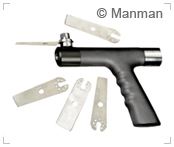
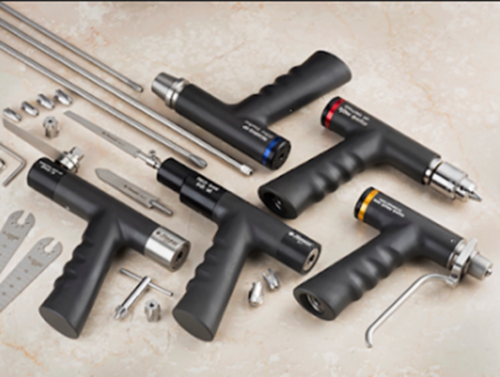
Surgeons increasingly favor modular surgical drill systems where a single universal driving unit powers multiple attachment heads (e.g., sagittal saw, oscillating saw, reamer chuck, quick-coupling AO attachment, and wire driver). This modularity reduces capital expenditure by up to 40% for community hospitals and regional surgical centers without compromising clinical performance.
3.2 Shift Toward Verified Indian OEM & Export Manufacturing
With rising medical device costs in Western markets, healthcare organizations across Latin America, the Middle East, Southeast Asia, and Africa are actively sourcing ISO 13485-certified orthopedic power tools from established Indian manufacturing hubs like Vadodara, Gujarat. Indian surgical manufacturers offer international-grade stainless steel construction, precise Swiss-machined gearing, and robust after-sales support at highly competitive price points.