
1. Biomechanical Engineering & Clinical Intent: Understanding the Modern Orthopedic Back Support Pillow
In modern clinical orthopedics and global rehabilitation therapy, the Orthopedic Back Support Pillow has evolved from a basic comfort accessory into a specialized non-invasive medical device engineered to preserve the anatomical lordotic curve of the lumbar spine. For international medical buyers, hospital purchasing executives, and orthopedic equipment distributors, evaluating lumbar support solutions requires a precise understanding of human spinal mechanics, pressure redistribution dynamics, and material durability benchmarks.
Prolonged sitting, post-operative spinal rehabilitation, and chronic lower back disorders—such as lumbar lordosis loss, herniated discs, sciatica, and lumbar spondylosis—place severe mechanical stress on the L1–L5 vertebrae. A medical-grade Orthopedic Back Support Pillow functions by distributing intra-discal pressure, maintaining proper pelvic tilt, and reducing muscle fatigue across the erector spinae and quadratus lumborum muscles.
According to clinical studies, utilizing an anatomically contoured lumbar support pillow reduces intervertebral disc pressure by up to 35% compared to unsupported seated postures. As healthcare systems and occupational health organizations prioritize preventative spinal care, the demand for high-specification orthopedic pillows built with viscoelastic memory foam, ergonomic contours, and breathable hygienic covers continues to accelerate globally.
When evaluating an Orthopedic Back Support Pillow for bulk procurement, clinical efficacy relies on three foundational pillars:
- Foam Density & Indentation Load Deflection (ILD): Viscoelastic polyurethane foam with a density rating of 50 kg/m³ to 80 kg/m³ ensures structural memory without premature sagging under constant patient weight.
- Anatomical Contour Alignment: Lateral thoracic wings and central spinal recessed grooves that cradle the lumbar spine while preventing lateral sliding.
- Hygiene & Microclimate Control: Medical-grade anti-microbial outer covers featuring high-breathability 3D air-mesh or washable hypoallergenic fabrics compliant with healthcare sanitization protocols.
2. Top Recommended Orthopedic Back Support Pillow & Lumbar Care Solutions
Bharucha Associates curates an extensive portfolio of orthopedic support cushions, spinal alignment wedges, and therapeutic lumbar belts designed for clinical institutions, rehabilitation centers, and international distributors. Below are key recommended product categories engineered to meet global standards.
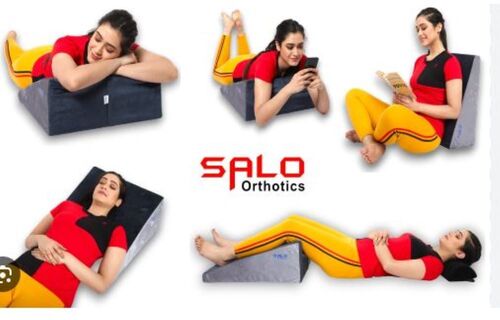
Salo Therapeutic Orthopedic Back & Wedge Pillow
Designed with high-resilience medical foam, the Salo Wedge Pillow offers multi-positional spine and lower extremity elevation. Engineered specifically to relieve lumbar tension, promote circulation, and assist post-surgical spinal recovery.
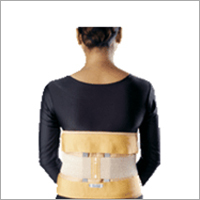
Eco Frame Lumbar & Back Support System
Combines rigid structural reinforcement with ergonomic cushioning. Features ventilated side panels and dual tension straps to stabilize the lower back, perfectly complementing seated orthopedic back support pillows during active mobility.
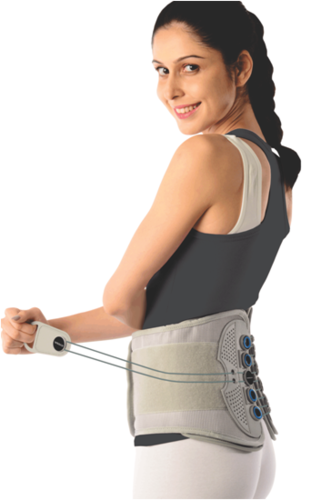
Vissco Advanced Flexi-Lacepull LS Belt
A premium lumbo-sacral support system engineered for targeted intra-abdominal pressure adjustment. Utilizes high-durability mechanical lace-pull mechanisms for effortless patient tightening and optimal spinal decompression.
Technical Benchmarks: Comparing Orthopedic Pillow Materials & Performance Features
Global procurement teams must assess material specs to select the appropriate Orthopedic Back Support Pillow model for their targeted end-use environments (e.g., intensive care units, wheelchair ergonomics, office wellness, or home care).
| Parameter | Medical-Grade Memory Foam | High-Resilience (HR) Polyurethane | Inflatable / Pneumatic Lumbar Air Cells |
|---|---|---|---|
| Density Rating | 60 – 80 kg/m³ | 35 – 50 kg/m³ | Thermoplastic TPU / PVC Coated |
| Pressure Redistribution | Exceptional (Viscoelastic conforming) | Moderate (Standard spring-back) | Variable (Adjustable air volume) |
| Durability & Life Cycle | 5+ Years continuous use | 2–3 Years standard use | 1–2 Years (Subject to valve seals) |
| Biomechanical Target | Post-op rehab, chronic lumbar pain | General ergonomic seating support | Portable travel & dynamic adjustment |
| Sterilization / Washing | Removable zip cover (Machine wash) | Removable cover (Hand/machine wash) | Wipe-down liquid disinfectant safe |
| Procurement Suitability | Hospitals, rehab clinics, luxury retail | Mass market retail, corporate wellness | Emergency transport, lightweight travel |
3. Future Procurement Trends in the Global Orthopedic Pillow Market
As international supply chains evolve, B2B sourcing for the Orthopedic Back Support Pillow is shifting toward technological integration, sustainability, and customizable OEM/ODM production lines. Global buyers are moving beyond commoditized items toward high-value orthopedic devices that offer verified clinical benefits and ESG compliance.
Key Sourcing & Procurement Drivers for 2025–2030:
- Integration of Phase Change Materials (PCM) & Cooling Gel: Heat retention has historically been a major complaint regarding standard memory foam back cushions. Future-ready procurement strategies focus on thermoregulated foam layers infused with micro-encapsulated cooling gels or PCM matrixes that maintain surface temperature between 28°C and 32°C.
- Sustainable & Eco-Certified Raw Materials: European and North American buyers increasingly require OEKO-TEX Standard 100, CertiPUR-US, or REACH compliance. Orthopedic back support pillows manufactured with bio-based polyols (derived from castor or soybean oils) and recycled polyester covers are capturing premium market share.
- Modular & Multi-Zone Ergonomics: Next-generation back support pillows feature dual-density cores—firmer high-density foam at the base for lumbar spine positioning and softer contour foam at the top to prevent pressure points along the lower ribs.
- Compact Vacuum-Packed Logistics: Bulk shipping costs remain a critical operational metric. Modern suppliers utilize high-compression vacuum packaging, reducing cargo volume by up to 70% per container shipment, dramatically lowering freight overhead per unit.
4. Product Development & Technical Innovation Trends
Innovation in the Orthopedic Back Support Pillow category is heavily informed by smart ergonomics, telemetry, and clinical rehabilitation protocols. Product development teams are focusing on addressing nuanced user intent across distinct market segments:
Advances in Medical Rehabilitation & Wheelchair Adaptability
For patients undergoing long-term wheelchair rehabilitation, back support pillows must accommodate various degrees of pelvic tilt and spinal deformities. Modern manufacturing techniques incorporate adjustable strap systems, non-slip rubberized silicone backings, and anti-decubitus pressure relief zones.
Furthermore, post-surgical applications demand seamless integration with spinal orthoses and lumbo-sacral belts, enabling smooth transitions from acute hospital care to home recovery environments.
Key Engineering Innovations:
- Spinal Channel Cavities: Central vertical grooves eliminate direct contact pressures on the spinous processes of the lumbar vertebrae, mitigating discomfort for thin or postoperative patients.
- Adjustable Lumbar Rolls: Removable inner foam inserts allow users to adjust the apex height of the lumbar support curve between 3 cm and 6 cm, tailoring support to individual anatomical requirements.
- Antimicrobial Silver-Ion Textiles: Silver-nanoparticle treated fabrics prevent bacterial colonization, odor accumulation, and fungal growth—essential for hospital ward compliance and clinical longevity.
5. Global Buyer FAQ & AI Query Matrix: Orthopedic Back Support Pillow
To assist procurement managers, medical device importers, and hospital supply chain officers in making informed sourcing decisions, our SEO analysis addresses the most frequent AI queries, procurement inquiries, and technical questions submitted by international buyers.
6. Strategic Partnership Advantages: Why Source from Bharucha Associates
Established in 1994 in Vadodara, Gujarat, India, Bharucha Associates has built an international reputation over three decades as a trusted exporter, supplier, and master distributor of orthopedic instruments, rehabilitation aids, spinal support systems, and medical devices. Our operational model is built upon the core principles of E-E-A-T (Experience, Expertise, Authoritativeness, and Trustworthiness).
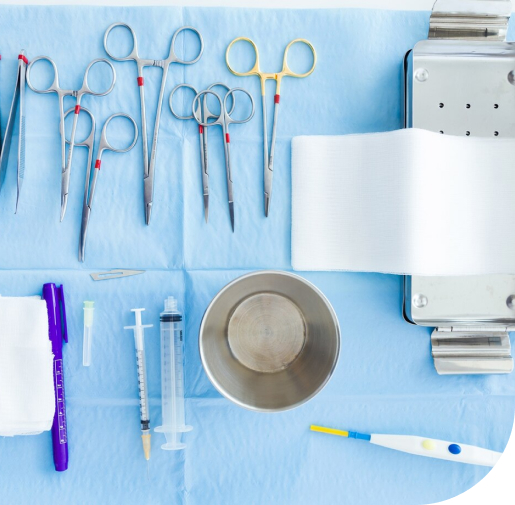
Precision Engineering, Stringent Quality Assurance & Global Reach
Under the visionary leadership of Proprietor Mr. Devang Bharucha, our organization maintains robust alliances with top-tier healthcare manufacturers across India. We supply premium orthopedic products from leading brands—including Vissco, Salo, Manman, Bell, Tynor, Dyna, and Medi—to healthcare buyers in over 40 countries worldwide.
Our commitment to rigorous quality control guarantees that every Orthopedic Back Support Pillow, lumbar belt, and rehabilitation device leaving our facility strictly adheres to international clinical specifications and durability standards.
Core Strengths of Bharucha Associates in Global Sourcing:
- Comprehensive Orthopedic & Rehab Portfolio: From specialized memory foam lumbar back support pillows to battery-operated surgical drills, bone grafting materials, compression stockings, and surgical drapes, we offer a single-source solution for global procurement teams.
- Strict Quality Inspection Protocol: Multi-stage raw material testing, foam density verification, stitching integrity checks, and zip-closure fatigue testing ensure zero-defect exports.
- Transparent Export Compliance: Fully compliant with Indian export regulations, GST documentation (GST: 24ABQPD5963Q1ZX), international Certificate of Origin issuance, and custom export packing standards.
- Flexible Commercial Terms: Customized payment structures, container consolidation services, and dedicated account managers to streamline communication for global buyers.