Bharucha Associates Medical & Orthopedic Knowledge Hub
Knowledge Hub

Orthopedic & Medical Equipment Blog

Discover industry trends, product guides, and medical device technical insights.

Surgical Drill & Instruments Insights
Surgical Innovations

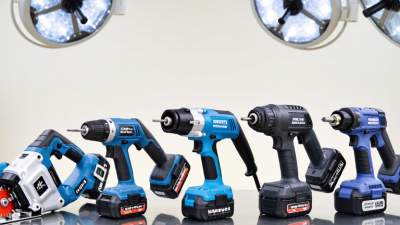
Battery Operated Surgical Tools & Instrumentation

Technical updates and clinical applications for modern orthopedic surgery.

Rehabilitation & Orthopedic Care Articles
Patient Recovery

Rehabilitation Aids & Support Systems

Best practices for orthopedic braces, splints, and patient care equipment.

Blog

Top 10 Orthopedic Oscillating Saw Manufacturers?

Top 10 Orthopedic Oscillating Saw Manufacturers?

Choosing the right Orthopedic Oscillating Saw involves more than comparing brand names or catalog photographs. Surgeons and procurement teams need dependable cutting performance, controlled vibration, ergonomic handling, and clear maintenance support. In an operating room, small details matter. A balanced handpiece can reduce fatigue during demanding procedures. A secure blade connection can support accurate cuts through dense bone. This guide reviews ten notable orthopedic oscillating saw manufacturers through practical and professional criteria. These include motor consistency, cutting efficiency, noise and vibration control, battery design, sterilization compatibility, accessory availability, and technical service. Product documentation and quality certifications also deserve careful attention. Marketing language can sound impressive. Clinical usability tells a different story. The ranking is not absolute. No single manufacturer fits every hospital, surgical specialty, or budget. That limitation matters. Some systems may offer advanced power management, while others provide simpler workflows and broader service networks. Evaluation should include surgeon feedback, biomedical engineering input, training requirements, and long-term operating costs. A saw that performs well during a demonstration may feel different after repeated sterilization cycles. Readers should treat this overview as a starting point, not a substitute for institutional assessment. Reliable decisions depend on verified specifications, regulatory compliance, documented performance, and local support. The strongest manufacturers usually combine engineering discipline with responsive customer care. Still, even established brands can have weaknesses. Careful comparison remains essential.
Read more »
Evelyn By:Evelyn - September 16, 2026
7 Best Orthopedic Synthetic Casting Tape Suppliers?

7 Best Orthopedic Synthetic Casting Tape Suppliers?

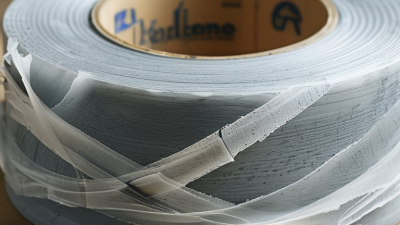
Choosing the right Orthopedic Synthetic Casting Tape supplier requires more than comparing prices or catalog images. Hospitals, clinics, and distributors need dependable materials, consistent handling, and responsive technical support. A tape may look strong on a product page, yet perform differently under pressure, moisture, or rapid application. This guide reviews seven notable suppliers through practical criteria. We consider fiberglass quality, resin activation, setting time, conformability, packaging, and available widths. We also examine documentation, batch consistency, clinical feedback, and after-sales communication. Small details matter. A smooth roll, clear instructions, and predictable curing can improve workflow in a busy treatment room. No ranking is perfect. Supplier performance may vary by region, order size, and product series. Some companies provide excellent technical data but limited customization. Others offer flexible production yet need stronger independent verification. That uncertainty deserves attention. Buyers should confirm regulatory documentation, shelf life, sterilization information, and sample performance before making a large commitment. Clinical professionals should also assess whether the tape suits the intended immobilization technique and patient needs. The seven suppliers below are not presented as universal choices. They represent different strengths, service models, and manufacturing approaches. Real experience still matters. A short trial order can reveal more than polished marketing language. During evaluation, record curing behavior, odor, glove feel, edge stability, and storage response. These observations create a more reliable purchasing decision. Supplier reputation helps, but evidence should lead.
Read more »

Evelyn By:Evelyn - September 9, 2026
What Is Plaster of Paris Bandage Used For?

What Is Plaster of Paris Bandage Used For?

Plaster of Paris Bandage is a time-tested material used to create supportive casts, splints, and temporary orthopedic immobilization. When moistened, its plaster-coated fabric becomes flexible for a short period. It can then be shaped around an injured limb, much like a warm shell forming around the body. As the material dries, it hardens and helps limit unwanted movement. Orthopedic surgeon Dr. James H. Beaty offers a useful clinical reminder: “Immobilization supports healing, but it does not replace assessment.” This principle matters because a Plaster of Paris Bandage can support fractures, sprains, and corrective positioning, but it cannot diagnose the injury. Healthcare professionals must check circulation, swelling, skin condition, and nerve function before and after application. Fingers or toes should remain visible whenever possible, allowing regular observation of color, warmth, and sensation. The bandage is also useful for custom splints and temporary support after surgery. It is relatively affordable, easy to shape, and suitable for many clinical settings. Still, it has limits. It is heavier than some synthetic alternatives, absorbs moisture, and may weaken when wet. Poor application can create pressure points. That detail is easy to underestimate. A safe result depends on correct padding, controlled wrapping, and professional supervision. Patients should report increasing pain, numbness, unusual swelling, or discoloration promptly. The material seems simple, but its safe use requires experience, patience, and repeated clinical judgment. It is helpful. It is not foolproof.
Read more »
Amelia By:Amelia - September 9, 2026
How to Choose a Battery Operated Surgical Drill in 2026?

How to Choose a Battery Operated Surgical Drill in 2026?

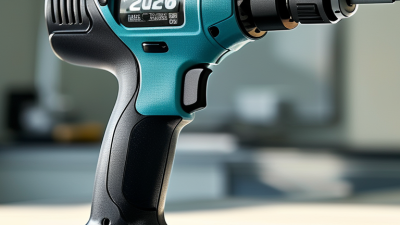
Choosing a Battery Operated Surgical Drill in 2026 requires more than comparing speed, battery capacity, or purchase price. In a real operating room, the drill must feel balanced in a gloved hand, maintain steady torque through dense bone, and remain dependable during long procedures. A bright display is helpful. Consistent performance matters more. Orthopedic device specialist Dr. Steven M. Kurtz has stated, “Reliable surgical technology should support clinical judgment, not distract from it.” This principle should guide every comparison. Look for documented sterilization compatibility, battery-swapping options, charging time, handpiece weight, noise levels, and service support. Ask whether the manufacturer provides measurable torque data, not vague claims. Check how the system performs after repeated cleaning cycles. A practical review should also examine the small details. Can the surgeon change batteries without leaving the sterile field? Does the grip remain secure when irrigation makes the handle wet? Is the battery indicator accurate near the end of a procedure? These details can shape confidence. No single drill fits every specialty. That is the uncomfortable part. A compact model may improve control but sacrifice power. A high-torque system may feel tiring after several hours. Marketing materials rarely show those compromises clearly. Therefore, this guide compares performance, ergonomics, safety documentation, maintenance demands, and total ownership costs. The right Battery Operated Surgical Drill is not simply the fastest option. It is the one that performs predictably when conditions become less than perfect.
Read more »
Evelyn By:Evelyn - September 9, 2026