

Discover industry trends, product guides, and medical device technical insights.
Technical updates and clinical applications for modern orthopedic surgery.
Best practices for orthopedic braces, splints, and patient care equipment.
Choosing the right Orthopedic Synthetic Casting Tape supplier requires more than comparing prices or catalog images. Hospitals, clinics, and distributors need dependable materials, consistent handling, and responsive technical support. A tape may look strong on a product page, yet perform differently under pressure, moisture, or rapid application.
This guide reviews seven notable suppliers through practical criteria. We consider fiberglass quality, resin activation, setting time, conformability, packaging, and available widths. We also examine documentation, batch consistency, clinical feedback, and after-sales communication. Small details matter. A smooth roll, clear instructions, and predictable curing can improve workflow in a busy treatment room.
No ranking is perfect. Supplier performance may vary by region, order size, and product series. Some companies provide excellent technical data but limited customization. Others offer flexible production yet need stronger independent verification. That uncertainty deserves attention. Buyers should confirm regulatory documentation, shelf life, sterilization information, and sample performance before making a large commitment. Clinical professionals should also assess whether the tape suits the intended immobilization technique and patient needs.
The seven suppliers below are not presented as universal choices. They represent different strengths, service models, and manufacturing approaches. Real experience still matters. A short trial order can reveal more than polished marketing language. During evaluation, record curing behavior, odor, glove feel, edge stability, and storage response. These observations create a more reliable purchasing decision. Supplier reputation helps, but evidence should lead.
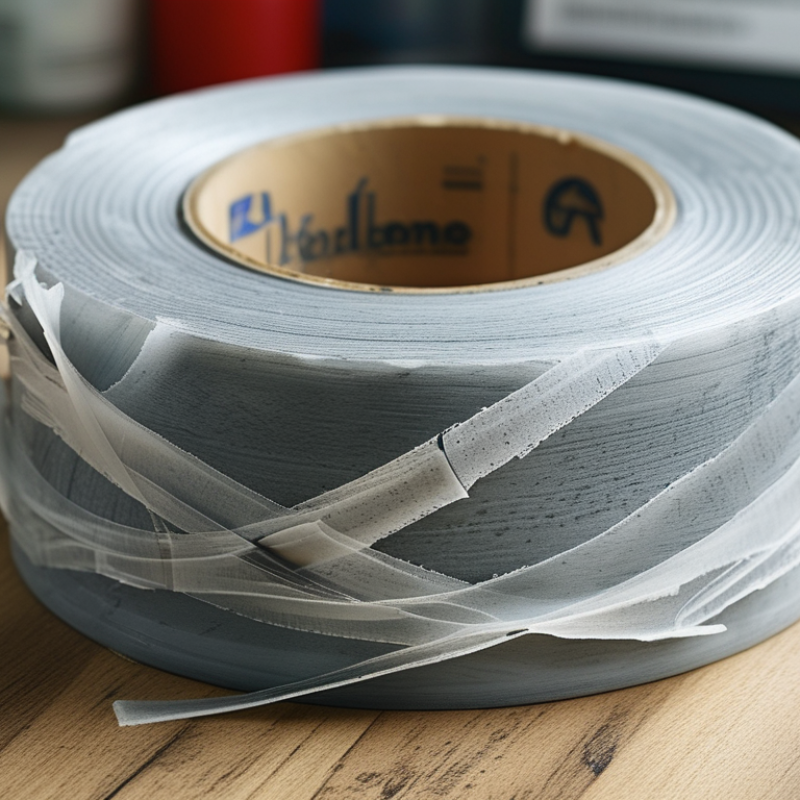
When comparing the 7 best orthopedic synthetic casting tape suppliers, material science should guide the decision. Fiberglass reinforcement gives the tape a strong, lightweight framework. Its woven structure helps distribute pressure around a limb. It also supports clean shaping around joints and uneven contours.
A reliable tape usually sets within 3–5 minutes after activation. That window matters during real application. Clinicians need enough time to overlap layers, smooth edges, and check circulation. A tape that hardens too quickly can create rushed work. One that stays soft too long may delay immobilization. Faster is not always better. Water temperature, dipping time, and room conditions can change performance. Supplier testing should report these details clearly.
Look for documented tensile strength, curing consistency, shelf-life data, and lot traceability. Practical samples are valuable. Test the roll with gloves, cool water, and a standard padding layer. Notice whether the fiberglass feels flexible before setting. Check whether the finished cast remains firm without becoming excessively heavy. Small differences matter. Some supplier claims sound impressive but lack testing conditions. That deserves caution. A dependable supplier should provide technical sheets, handling guidance, and responsive support for clinical questions. Procurement teams should also review packaging integrity and storage requirements. Good material can still fail when moisture reaches an opened roll.
Anonymous technical profiles for fiberglass-reinforced orthopedic casting tapes. Common clinical roll widths are shown against the typical 3–5-minute initial setting window after water activation.
The floating bars represent the commonly specified initial setting range of 3–5 minutes. Fiberglass reinforcement provides a lightweight, rigid matrix after curing; actual handling time varies with water temperature, activation method, humidity, and product formulation.
Choosing among the 7 best orthopedic synthetic casting tape suppliers requires more than comparing prices. The key clinical benchmark is a predictable two-to-five-minute working window after activation. This period should allow positioning, smoothing, and safe correction before the material stiffens. A tape that hardens too quickly may increase handling errors. One that stays soft too long can delay treatment.
Suppliers should publish working-time data under defined conditions. These conditions include water temperature, immersion duration, storage age, and wrapping tension. A reliable supplier should also provide lot traceability, technical documentation, and independent performance testing. Clinicians can request samples and record setting behavior in a controlled simulation. Check the roll core, package seal, odor, and resin distribution. Small inconsistencies matter.
A two-minute window is not automatically superior. Pediatric cases, complex joints, and bulky padding may require more time. In contrast, an experienced team may prefer faster handling in urgent settings. I would still question any supplier claiming identical results in every clinic. Ambient temperature and technique change performance. That is an imperfect reality. Selection should consider measured benchmarks, staff skill, patient needs, and clear quality records. Be cautious when marketing language replaces test conditions.
When comparing orthopedic synthetic casting tape suppliers, credential review should come before price. An FDA 510(k) record can show that a device is substantially equivalent to a legally marketed product. It is not the same as general FDA approval. Check the product number, cleared indications, and manufacturing site. Verify that the submitted tape matches the material, width, curing time, and packaging you plan to purchase.
ISO 13485 certification should cover the relevant facility and product scope. Look for the certification body, issue date, expiry date, and audit status. A reliable supplier should also provide controlled batch records, raw-material traceability, and complaint-handling procedures. Ask how they investigate uneven resin coating or damaged moisture-barrier pouches. Small details matter. I have seen polished certificates hide weak production records.
ISO 10993 evidence is equally important for skin-contact casting materials. Request the biological evaluation plan and applicable test reports, rather than accepting a single logo or statement. Depending on contact type and duration, records may address cytotoxicity, sensitization, irritation, or other endpoints. Test samples should represent the finished, sterilized, or packaged product when applicable. This is where reviews can become imperfect: older reports may not reflect a reformulated resin. Confirm revision numbers, sample descriptions, and laboratory competence before approval. A short factory audit can reveal more than a long brochure.
Supplier 1 offers 5 cm, 7.5 cm, and 10 cm rolls for smaller clinics. Supplier 2 adds a 12.5 cm option for larger limbs.
Suppliers 3 and 4 provide 3.8 cm pediatric rolls, which reduce trimming waste. Supplier 5 lists custom lengths, but its measurement tolerance needs confirmation.
Supplier 6 focuses on compact packaging. Supplier 7 offers mixed-size cartons for busy orthopedic departments.
Radiopacity separates usable tape from merely convenient tape.
Suppliers 1, 3, and 7 specify radiopaque components for X-ray assessment. Suppliers 2 and 5 mention visibility but provide limited test details.
That gap matters. Ask for radiographic samples, technical reports, and storage conditions before approval.
Cure time ranges from three to six minutes after wetting. Supplier 4 reports a faster working window, while Supplier 6 allows more molding time.
Both can be useful, depending on staff experience and case complexity.
Minimum order quantities vary sharply. Supplier 1 accepts trial cartons, while Suppliers 2 and 3 request larger opening orders.
Suppliers 4 and 5 offer moderate MOQs, but custom sizes may increase them. Supplier 6 quotes by carton, not roll.
Supplier 7 appears flexible for institutional purchasing, although lead times require written confirmation.
In practice, water temperature changes curing behavior. We learned that the hard way.
Always test wetting, rigidity, X-ray visibility, and packaging integrity before routine use.
Procurement Metrics: Cost per Roll, Lead Time, Traceability, and Returns
Choosing among seven strong orthopedic synthetic casting tape suppliers requires more than comparing catalog prices. Cost per roll can mislead. Roll width, length, curing speed, and packaging quantity change the real treatment cost. Calculate cost per usable roll, not only the invoice price. Record waste from opened, damaged, or poorly sealed packs. A small trial can reveal handling problems before a larger purchase. Experience matters here.
Lead time should be measured from confirmed order to warehouse receipt, not from quotation to shipment. Ask suppliers for normal and peak-season timelines. Keep safety stock for urgent clinical demand, but avoid excessive inventory. Storage conditions can affect product performance. That detail is often missed.
Traceability should connect each roll to a batch number, production date, expiry date, and shipping record. Reliable suppliers should provide clear documentation and respond quickly to quality questions. Returns also deserve a written process. Confirm eligibility, inspection rules, replacement timing, and responsibility for freight costs. Photograph damaged cartons at delivery. Keep the evidence.
My own procurement spreadsheets have sometimes favored the lowest unit price too heavily. That was a weakness. A cheaper roll may create more waste, slower care, or difficult claims. Review the metrics monthly, and compare supplier promises with actual performance. Human error still enters the data. Supplier audits and staff feedback can expose it.
: Fiberglass creates a strong, lightweight framework. Its woven structure spreads pressure around the limb. It also helps shape joints and uneven contours.
A dependable tape usually sets within three to five minutes after activation. This allows layering, edge smoothing, and circulation checks. Too fast can cause rushed work. Too slow may delay immobilization.
Water temperature, dipping time, and room conditions affect curing. Cool water may slow the process. Warm conditions may shorten the working window. Published times are not always exact.
Common widths include 5, 7.5, and 10 centimeters. A 12.5-centimeter roll may suit larger limbs. Narrow rolls near 3.8 centimeters can reduce pediatric trimming waste. Custom lengths need measurement confirmation.
Radiopaque tape can remain visible during X-ray assessment. Ask for radiographic samples and technical reports. Visibility claims may lack testing details. That deserves caution.
Use gloves, cool water, and standard padding. Check flexibility before setting. Observe the finished cast’s firmness and weight. Test X-ray visibility and package integrity too.
Request tensile strength, curing consistency, shelf-life data, and lot traceability. Handling instructions and technical support are also useful. Confirm minimum order quantities and lead times in writing. Details matter here.
Follow the stated storage requirements carefully. Keep moisture away from opened rolls. A damaged package can ruin good material. We learned that the hard way.
Choosing the right Orthopedic Synthetic Casting Tape requires a balanced review of material performance, clinical usability, supplier documentation, and purchasing efficiency. Fiberglass reinforcement can provide reliable strength while maintaining a lightweight profile, and a typical setting time of 3–5 minutes should be assessed alongside a practical 2–5-minute working window. These benchmarks help clinicians apply and shape casts efficiently without compromising stability or patient comfort.
A structured comparison of seven suppliers should examine roll sizes, radiopacity, curing behavior, minimum order quantities, and packaging consistency. Procurement teams should also verify FDA 510(k) status where applicable, ISO 13485 quality-system certification, and available ISO 10993 biocompatibility records. Additional decision factors include cost per roll, production and shipping lead times, batch traceability, technical support, and return policies. Evaluating these details together can support a safer, more transparent, and cost-effective purchasing decision for orthopedic care settings.