Bharucha Associates Medical & Orthopedic Knowledge Hub
Knowledge Hub

Orthopedic & Medical Equipment Blog

Discover industry trends, product guides, and medical device technical insights.

Surgical Drill & Instruments Insights
Surgical Innovations

Battery Operated Surgical Tools & Instrumentation

Technical updates and clinical applications for modern orthopedic surgery.

Rehabilitation & Orthopedic Care Articles
Patient Recovery

Rehabilitation Aids & Support Systems

Best practices for orthopedic braces, splints, and patient care equipment.

0%

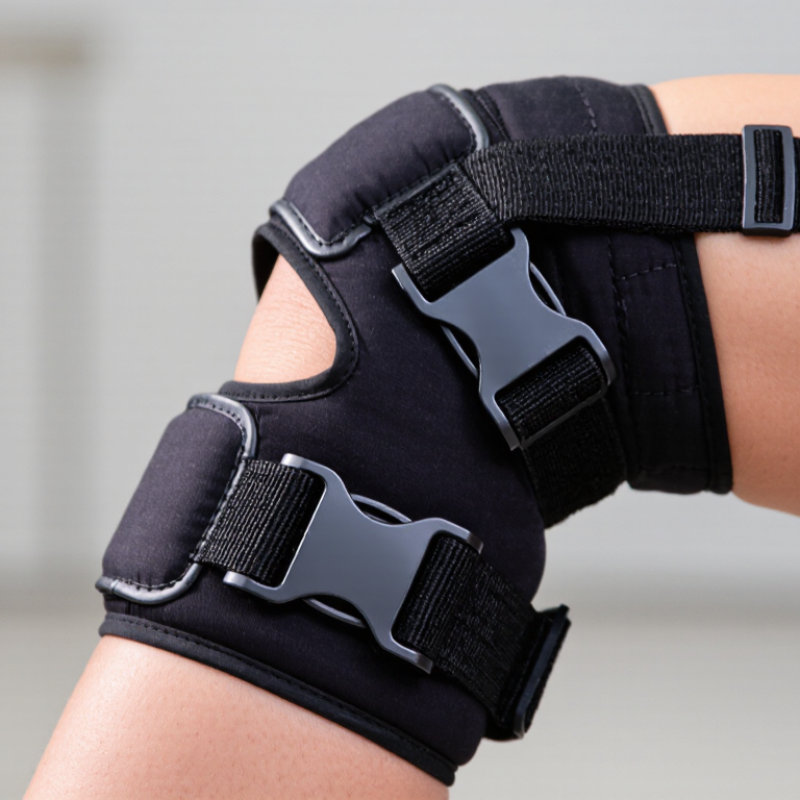
Choosing a Neoprene Hinged Knee Brace begins with the injury, not the product label. A soft, warm sleeve may support mild instability, while a hinged design can limit unwanted side-to-side movement. However, neither option fits every knee.

The market is expanding. Grand View Research valued the global knee braces market at approximately US$1.8 billion in 2023 and projects continued growth through 2030. Fortune Business Insights reports a similar upward trend, driven by sports injuries, osteoarthritis, and rehabilitation needs. These figures show demand, not proof that every brace works equally well. The American Academy of Orthopaedic Surgeons notes that knee bracing may improve pain and function for some osteoarthritis patients, yet supporting evidence remains limited. That matters.

Sports-medicine physician Dr. David Geier states, “A knee brace should never replace rehabilitation.” His point is practical. A brace should support movement, not hide worsening pain. Check the hinge position beside the knee joint. The straps should feel secure without leaving deep red marks. Neoprene should feel warm and flexible, but not trap excessive sweat during long wear.

Measure your thigh, knee, and calf carefully. Compare those measurements with the manufacturer’s chart. Ask a qualified clinician about ligament injuries, circulation problems, skin sensitivity, or persistent swelling. I would not choose the most expensive brace automatically. Price can reflect materials, branding, or adjustability. It may not reflect better clinical results.

Fit first. Comfort matters. Diagnosis matters more. This guide examines materials, hinge construction, sizing, support levels, and everyday testing, while acknowledging one uncomfortable truth: choosing well still involves some uncertainty.
How to Choose a Neoprene Hinged Knee Brace?

Identify Your Knee Support Needs and Activity Level

How to Choose a Neoprene Hinged Knee Brace?

Identify Your Knee Support Needs and Activity Level

Choosing a neoprene hinged knee brace starts with your actual knee support needs. Mild soreness may require compression and warmth, while instability needs stronger side hinges. A brace should match your symptoms, not just your sport. Walking, cycling, lifting, and court games place different demands on the joint.

Think about movement first. For daily walking, a flexible design may feel less restrictive. For cutting or pivoting, rigid hinges can provide more control. If you climb stairs often, check whether the brace stays flat behind your knee. Excess material can rub the skin and become distracting. Small details matter.

Fit is equally important. Measure your thigh and calf according to the manufacturer’s instructions. The brace should feel snug, never numb or painfully tight. Sit, bend, and take several steps before judging it. It should remain in position without leaving deep marks. This is where many choices go wrong.

A neoprene brace may feel supportive during exercise, but heat and moisture can cause irritation. Wear a thin, breathable layer underneath if needed. Inspect the hinges and fasteners regularly. If pain, swelling, weakness, or locking continues, seek assessment from a qualified healthcare professional. A brace can support movement, but it cannot explain the cause of every knee problem.

I used to think a tighter fit meant better protection; it often meant less comfort and poorer movement.

Learn the Key Features of Neoprene Hinged Knee Braces

A neoprene hinged knee brace combines compression, warmth, and side-to-side support. Its key features should match your knee problem and daily movement. A brace is not automatically better because it feels firm.

Neoprene should feel supportive without trapping excessive heat or causing numbness. Check the fabric for smooth edges and enough stretch around the kneecap. The opening should sit over the patella, not slide into the joint crease. Hinges on both sides can limit unwanted lateral movement while allowing normal bending. Move slowly when testing them. Poor alignment may create pressure instead of relief.

The straps matter more than many people expect. Wide, adjustable straps help distribute pressure and keep the brace from rotating during walking or light exercise. Fasten them snugly, never painfully. I have learned that a brace fitting well in a shop may shift after ten minutes of stairs. Recheck it during real movement. Skin redness that fades quickly can be normal, but swelling, tingling, or lasting marks require removal and professional advice.

Choose a low-profile design under clothing if you need it for work. For sports, look for secure hinges and moisture control. Wash neoprene according to its care instructions, and let it air-dry fully. Do not use a brace to ignore sharp pain or a newly injured knee. A physiotherapist or qualified clinician can assess fit, stability, and whether bracing is appropriate. Sometimes the most comfortable brace offers too little control. That is worth reconsidering.

How to Choose a Neoprene Hinged Knee Brace?

Neoprene knee braces are commonly available in approximately 3 mm, 5 mm, and 7 mm thicknesses. Thinner neoprene is generally lighter and more breathable, while thicker neoprene provides greater warmth and cushioning. When choosing a hinged design, also check hinge stability, strap adjustability, comfortable compression, and the correct knee size.

Choose the Right Brace Size, Fit, and Hinge Design

Choosing a neoprene hinged knee brace starts with accurate sizing, not appearance. Measure the knee circumference where the sizing guide specifies, usually around the joint line. Do this while standing, with the leg relaxed. Sizing charts differ between manufacturers, so never rely on your usual clothing size. If your measurement falls between sizes, consider your swelling and intended activity. A slightly adjustable brace may offer better control.

The brace should feel snug, like firm support around the knee, but it must not cause numbness, tingling, or cold toes. Check the skin after wearing it for 20 minutes. Red marks that fade quickly may be normal; deep pressure marks suggest poor fit. The hinge should sit level with the knee’s natural bending point. If it slips toward the thigh, the brace may be too loose or poorly shaped.

Hinge design should match your movement needs. Single hinges provide basic side-to-side support and suit mild instability. Dual hinges can improve control during walking, lifting, or court activities, but they may feel heavier. Rigid hinges offer stronger guidance, while flexible hinges allow more freedom. In practice, more support is not always better. I once assumed a tighter brace meant greater protection, but it restricted movement and became uncomfortable. After a knee injury, ask a qualified healthcare professional to check the fit and hinge position before regular use.

Compare Comfort, Stability, Adjustability, and Durability

How to Choose a Neoprene Hinged Knee Brace?

A neoprene hinged knee brace should feel supportive, not punishing. Comfort starts with soft, breathable neoprene and smooth edges. Check the brace while sitting, walking, and bending your knee. A brace that feels fine standing may pinch behind the knee later. Fit matters more than thickness. Measure your leg carefully, then compare the result with the sizing guide.

Stability comes from the hinges and secure straps. Hinges should guide movement without blocking normal steps. Adjustable straps help control pressure around the joint. They also let you adapt the fit when swelling changes during the day. Avoid pulling every strap as tightly as possible. Excess pressure can cause numbness, skin marks, or discomfort. A physical therapist can help if your knee feels unstable or painful. No brace replaces a proper diagnosis.

Tips: Wear a thin layer underneath during your first fitting. Walk for five minutes and check for slipping. Inspect the seams, hinge covers, and fasteners regularly. Durable materials should resist stretching, but they still need proper care. Hand washing and complete air drying can preserve neoprene. It is tempting to judge quality by weight alone. That can be misleading. A lighter brace may offer better daily comfort, while a heavier model may provide stronger support. Consider your activity, swelling pattern, and how often you will use it.

How to Choose a Neoprene Hinged Knee Brace? - Compare Comfort, Stability, Adjustability, and Durability

The comparison below describes common construction profiles for neoprene hinged knee braces. Comfort, stability, adjustability, and durability scores use a practical 1–5 scale, where 5 represents the strongest performance for that criterion.

Brace Profile Typical Construction Comfort Stability Adjustability Durability Typical Weight Best Suited For Important Considerations
Light Support Hinged Sleeve Approximately 3 mm neoprene sleeve with flexible side hinges, open or contoured patella area, and hook-and-loop straps. 5/5 3/5 3/5 3/5 Approximately 250–400 g Daily movement, mild knee discomfort, light exercise, and users who prioritize low bulk. Offers less rotational and lateral control than models with rigid or semi-rigid hinges.
Standard Dual-Hinge Brace Approximately 3–5 mm neoprene body, bilateral metal or polymer hinges, and two to four adjustable straps. 4/5 4/5 4/5 4/5 Approximately 350–550 g Moderate support during walking, recreational sports, and activities involving controlled side-to-side movement. Check hinge alignment and strap placement; incorrect positioning can cause pressure behind the knee.
Wraparound Adjustable Brace Open-front or fully wraparound neoprene construction with overlapping panels, bilateral hinges, and multiple compression straps. 4/5 4/5 5/5 4/5 Approximately 400–650 g Users whose knee circumference fluctuates or who need easier fitting over clothing. Usually easier to put on than a sleeve, but the overlapping material may feel warmer and bulkier.
Reinforced Sport Hinged Brace Medium-to-thick neoprene, reinforced stitching, rigid or semi-rigid bilateral hinges, and anti-slip interior panels. 3/5 5/5 4/5 5/5 Approximately 500–750 g Higher-demand recreational sports and activities requiring increased lateral support. Provides stronger control but can restrict flexion, add heat, and feel heavier during long periods of wear.
Low-Profile Everyday Brace Thin neoprene or neoprene-blend fabric, compact hinges, streamlined seams, and one or two compression straps. 5/5 3/5 3/5 3/5 Approximately 250–450 g Office wear, commuting, light household activity, and users who need discreet support under loose clothing. Thin materials improve mobility but generally provide less protection against strong lateral forces.
Heavy-Duty Hinged Brace Thick neoprene body, reinforced hinge pockets, rigid bilateral hinges, wide straps, and strengthened load-bearing seams. 3/5 5/5 5/5 5/5 Approximately 600–900 g Users who require maximum adjustability and substantial support for demanding movement. Greater weight and heat retention may reduce comfort; professional fitting is advisable when instability is significant.

Selection note: Measure the knee circumference according to the sizing instructions supplied with the brace. Neoprene retains heat and may feel uncomfortable for users sensitive to warmth or compression. A brace should feel secure without causing numbness, discoloration, increased pain, or restricted circulation. For suspected ligament injury, major swelling, locking, or persistent instability, seek advice from a qualified healthcare professional.

Check Safety, Care Requirements, and Professional Guidance

How to Choose a Neoprene Hinged Knee Brace?

Safety should guide every fitting decision. A hinged knee brace must feel supportive, not painfully tight. Check that the hinges sit beside the knee joint, not above or below it. Walk slowly for several minutes on a level surface. Watch for numbness, tingling, unusual swelling, or cold toes. Stop using the brace if these symptoms appear.

A common mistake is tightening every strap to create a stronger feeling. That can restrict circulation and crease the neoprene behind the knee. The brace should stay in place without leaving deep marks. Inspect the hinges, stitching, and fasteners before each use. Small damage can become a larger problem during movement. Fit matters.

Care also affects safety. Follow the care label, usually with gentle hand washing and cool water. Let the brace air-dry fully before wearing it again. Avoid heaters, harsh detergents, and repeated twisting while wet. Damp neoprene may irritate the skin, especially after exercise. Check your skin after removing the brace. Redness that remains for a long time deserves attention.

Professional guidance is important when pain, instability, or swelling continues. A physiotherapist or qualified clinician can assess movement and recommend the correct support level. People recovering from surgery may need specific fitting instructions. A brace cannot replace diagnosis or rehabilitation. It is easy to assume more support is always better, but that assumption can be wrong. Ask for help when the fit feels uncertain.

FAQS

How should I measure for a neoprene hinged knee brace?

Measure around the knee joint as directed by the sizing chart. Stand upright with your leg relaxed. Clothing size is not enough.

What should a properly fitted brace feel like?

It should feel snug and supportive, not painfully tight. Your toes should stay warm. No tingling.

How can I check the fit after wearing it?

Wear it for about 20 minutes, then inspect your skin. Brief red marks may be normal. Deep marks suggest excessive pressure.

Where should the hinges sit?

The hinges should align with the knee’s natural bending point. If they slide toward your thigh, the brace may be loose or poorly shaped.

Should I choose single or dual hinges?

Single hinges may suit mild instability. Dual hinges can offer more control during walking, lifting, or court activities. They may feel heavier.

Are rigid hinges always better than flexible hinges?

No. Rigid hinges guide movement more strongly, while flexible hinges allow greater freedom. More support is not always better.

What should I do if numbness, swelling, or cold toes appear?

Stop using the brace and loosen or remove it. These signs may indicate pressure or circulation problems. Do not ignore them.

How should I clean and store the brace?

Follow the care label. Gentle hand washing and cool water are commonly recommended. Air-dry it fully. Avoid heaters and harsh detergents.

When should I ask a healthcare professional for help?

Seek guidance when pain, swelling, or instability continues. Professional fitting is especially important after surgery. A brace cannot replace diagnosis or rehabilitation.

What mistake do people often make when adjusting the straps?

They tighten every strap until the brace feels very strong. That can restrict movement and crease the neoprene behind the knee. I once assumed tighter meant safer, but that judgment was incomplete.

Conclusion

Choosing the right Neoprene Hinged Knee Brace begins with understanding your knee support needs, activity level, and the type of movement you expect during daily tasks, exercise, or recovery. Neoprene can provide warmth, compression, and flexibility, while hinged structures may offer additional side-to-side stability. Consider whether you need light support for routine activities or stronger protection for demanding movement.

Next, select a size and fit that provide secure support without restricting circulation or causing discomfort. Pay attention to the hinge design, adjustability, padding, and overall stability. A well-designed brace should remain in place, allow practical movement, and be made from durable, comfortable materials. Before use, review safety instructions, cleaning requirements, and signs of improper fit, such as numbness or excessive pressure. If you have an injury, ongoing pain, or uncertainty about the appropriate support level, seek guidance from a qualified healthcare professional.


Charlotte

Charlotte

Charlotte is a dedicated marketing professional with extensive experience in developing clear, engaging, and results-oriented content for business audiences. As a knowledgeable member of our team, she has a deep understanding of the company’s products, services, and customer needs. Her expertise......