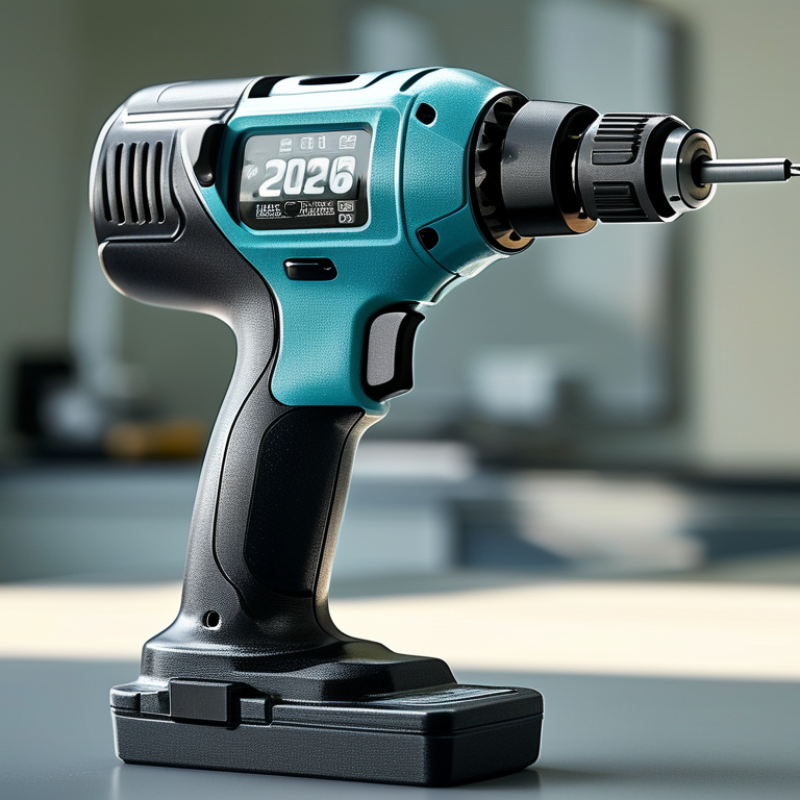
Choosing a Battery Operated Surgical Drill in 2026 requires more than comparing speed, battery capacity, or purchase price. In a real operating room, the drill must feel balanced in a gloved hand, maintain steady torque through dense bone, and remain dependable during long procedures. A bright display is helpful. Consistent performance matters more.
Orthopedic device specialist Dr. Steven M. Kurtz has stated, “Reliable surgical technology should support clinical judgment, not distract from it.” This principle should guide every comparison. Look for documented sterilization compatibility, battery-swapping options, charging time, handpiece weight, noise levels, and service support. Ask whether the manufacturer provides measurable torque data, not vague claims. Check how the system performs after repeated cleaning cycles.
A practical review should also examine the small details. Can the surgeon change batteries without leaving the sterile field? Does the grip remain secure when irrigation makes the handle wet? Is the battery indicator accurate near the end of a procedure? These details can shape confidence.
No single drill fits every specialty. That is the uncomfortable part. A compact model may improve control but sacrifice power. A high-torque system may feel tiring after several hours. Marketing materials rarely show those compromises clearly. Therefore, this guide compares performance, ergonomics, safety documentation, maintenance demands, and total ownership costs. The right Battery Operated Surgical Drill is not simply the fastest option. It is the one that performs predictably when conditions become less than perfect.
How to Choose a Battery Operated Surgical Drill in 2026?
Define the procedure before comparing battery-operated surgical drills. A cranial procedure may require controlled speed and minimal vibration. Orthopedic fixation may demand higher torque, cannulation, and sustained runtime. Ask practical questions: Will the drill cut bone, place wires, or prepare implants? The answer shapes every specification.
The Lancet Commission on Global Surgery estimated that 143 million additional surgical procedures are needed annually worldwide. The WHO Global Surgery 2030 report also found that about five billion people lack access to safe, affordable surgical care. These figures highlight the need for dependable equipment, especially in facilities with limited technical support. Select batteries with clear charge indicators, predictable runtime, and fast replacement. Downtime is not theoretical.
Check the drill’s duty cycle, grip balance, trigger control, and heat during simulated use. A lighter device may reduce fatigue, but excessive vibration can weaken precision. Confirm cleaning instructions, sterilization compatibility, and battery protection against fluid exposure. IEC 60601-1 and ISO 13485 provide useful safety and quality references, but compliance alone does not prove clinical suitability. In my experience, teams sometimes overvalue maximum speed. That can be a mistake. Test the drill with representative bone models, gloves, irrigation, and the exact accessories used in surgery. Real conditions reveal gaps that brochures rarely show.
| Intended Procedure | Typical Bone or Tissue Requirement | Recommended Speed Range | Torque and Control Requirement | Chuck or Attachment Requirement | Battery and Runtime Target | Important Design Features | Selection Priority |
|---|---|---|---|---|---|---|---|
| Cranial and Neurosurgical Drilling | Thin cranial bone; requires controlled removal and careful thermal management. | Approximately 1,000–75,000 rpm, depending on the attachment and burr type. | Very fine speed control; stable output at low loads; controlled stopping and minimal vibration. | High-speed drill attachment, compatible with small-diameter cutting and diamond burrs. | Rechargeable lithium-ion battery; target at least 30–45 minutes of intermittent operating time per battery. | Low vibration, irrigation compatibility, ergonomic handpiece, audible speed control, and rapid attachment exchange. | Critical Control |
| Spinal Decompression and Instrumentation | Variable cortical and cancellous bone; compact access and precise work around neural structures. | Approximately 500–40,000 rpm, depending on the procedure and accessory. | Moderate-to-high torque with smooth variable-speed control and resistance to stalling. | Angled or extended attachments; compatibility with burrs used for bone decompression. | Battery capacity commonly selected around 2–5 Ah; one sterile battery plus one backup is advisable. | Compact profile, balanced center of gravity, low heat generation, sealed controls, and reliable reverse function. | Critical Control |
| Orthopedic Trauma Fixation | Dense cortical bone and cancellous bone; drilling may involve guide wires, plates, and screws. | Approximately 300–1,200 rpm for common bone-drilling tasks. | High torque at low speed; consistent power under load; electronic overload protection is beneficial. | Keyed or keyless surgical chuck, commonly accepting approximately 1.0–6.5 mm drill bits. | Rechargeable battery system designed for repeated drilling cycles; target 45–90 minutes of intermittent use. | High-load durability, forward/reverse operation, cannulation option when required, and easy cleaning. | High Load |
| Joint Replacement and Large-Bone Preparation | Dense cortical bone, intramedullary canals, and larger reaming loads. | Approximately 200–1,000 rpm for drilling and reaming; accessory-specific limits must be followed. | High continuous torque, controlled acceleration, and low speed droop under heavy resistance. | Large-bore chuck, reaming attachment, or dedicated high-torque attachment. | High-capacity battery, commonly around 3–6 Ah; planned battery exchange is important for long cases. | Heat-resistant housing, robust gearbox, strong grip, fatigue-reducing balance, and status indication. | High Load |
| Oral and Maxillofacial Surgery | Mixed-density facial and jaw bone; access may be restricted and soft-tissue protection is important. | Approximately 800–40,000 rpm, depending on the handpiece, bur, and cutting task. | Precise variable speed, low vibration, and predictable response during delicate contouring. | Small straight or angled handpiece; compatibility with long-shank and small-diameter burs. | Battery should support at least 30–60 minutes of intermittent operation, with a sterile backup available. | Compact head, irrigation connection, quiet operation, easy control with gloves, and smooth attachment locking. | High Precision |
| ENT and Temporal-Bone Surgery | Thin, dense, and anatomically complex bone located close to delicate structures. | Approximately 1,000–40,000 rpm, based on the selected attachment and burr. | Fine speed adjustment, low runout, minimal vibration, and rapid response to operator input. | Angled or slim high-speed attachment with small burr compatibility. | Battery system should support 30–45 minutes of intermittent use without significant power loss. | Excellent visibility, low acoustic and mechanical vibration, irrigation, compact geometry, and precise control. | Critical Control |
| Podiatric and Small-Bone Surgery | Small bones and moderate-density cortical bone; procedures often require compact access. | Approximately 500–20,000 rpm, depending on the cutting accessory. | Moderate torque with stable low-speed performance and accurate speed selection. | Compact chuck or small-bone attachment; quick-change system can improve workflow. | Battery capacity suitable for 30–60 minutes of intermittent use; low-battery warning is useful. | Lightweight handpiece, slim nose, low vibration, easy sterilization, and good balance in multiple orientations. | Ergonomics |
| Dental and Implant Site Preparation | Small areas of cortical and cancellous jaw bone where heat control is essential. | Approximately 800–2,000 rpm for implant osteotomy; higher speeds may apply to other dental cutting tasks. | Precise speed control, stable low-speed torque, and minimal variation during irrigation-cooled drilling. | Dental or oral-surgery handpiece compatible with the required burs and surgical irrigation system. | Battery should cover the planned procedure duration; a backup battery is recommended for uninterrupted use. | External irrigation compatibility, lightweight design, low runout, clear controls, and easy decontamination. | Heat Control |
| Reconstructive and Plastic Bone Surgery | Small-to-medium bone segments, contouring surfaces, and graft preparation. | Approximately 500–30,000 rpm, depending on the burr and cutting objective. | Moderate torque, smooth modulation, and low vibration for contouring accuracy. | Interchangeable straight and angled attachments; broad burr compatibility is advantageous. | Battery system should provide 45–90 minutes of intermittent use or support rapid sterile exchange. | Balanced handpiece, low mass, irrigation option, tool-free attachment change, and simple status display. | Versatility |
| Emergency and Field-Oriented Orthopedic Use | Variable bone density and unpredictable drilling demands in time-sensitive cases. | Approximately 300–1,200 rpm for common orthopedic drilling and fixation tasks. | High torque, immediate start-up, reliable performance with gloves, and clear battery status. | Versatile chuck with common drill-bit compatibility; cannulated accessories may be required. | At least two fully charged batteries per procedure; rapid charger and battery-level indicator are recommended. | Rugged construction, water-resistant controls, fast cleaning workflow, long shelf-life battery storage, and portability. | Reliability |
: Identify whether it will cut bone, place wires, or prepare implants. The procedure determines speed, torque, vibration control, and accessories.
Choose predictable runtime for the longest procedure, including delays and revision work. A backup battery can prevent sudden interruption.
Not completely. Test runtime under realistic load, with gloves, irrigation, and intended accessories.
Confirm whether each part is reusable, limited-use, or disposable. Some batteries must be removed before processing.
Look for controlled speed, stable torque, overheating protection, and a clear battery indicator. Trigger locks and automatic stopping may help.
Test grip balance, trigger control, noise, heat, and vibration. A light drill may still feel tiring after repeated use.
Check inspection schedules for seals, bearings, cables, and attachments. Record battery cycles and investigate unusual heat, odor, or vibration.
Verify attachments, burrs, blades, chargers, and sterilization methods in writing. Small interface differences can make existing accessories unusable.
Include batteries, chargers, accessories, training, calibration, maintenance, and downtime. A low purchase price may age badly.
Ask for manuals, technical training, spare parts, service records, and regional repair targets. Verbal promises are not enough.
No. Safety and quality references are useful, but hands-on testing with representative models reveals practical weaknesses.
Overvaluing maximum speed or initial price. The better choice may still have one weak point. Document it honestly.
Choosing the right Battery Operated Surgical Drill in 2026 begins with clearly defining the intended procedure, including the required cutting, drilling, or reaming tasks, tissue conditions, and expected operating time. Compare battery technologies, power output, speed control, torque, vibration, and thermal performance to ensure the drill can deliver stable results without unnecessary interruptions. A well-balanced handpiece, comfortable grip, intuitive controls, and suitable attachments can improve precision and reduce user fatigue during demanding procedures.
Sterilization and maintenance should also be carefully evaluated. Confirm that the drill, attachments, and battery system support the required cleaning and sterilization processes, while checking for safety features such as overload protection, secure locking mechanisms, and battery status indicators. Finally, assess battery life, charging time, compatibility with available accessories, total ownership cost, warranty coverage, training, and technical support. A dependable choice should combine surgical performance, ergonomic design, safety, efficient maintenance, and long-term service value.