

Bharucha Associates Medical & Orthopedic Knowledge Hub
Knowledge Hub

Orthopedic & Medical Equipment Blog

Discover industry trends, product guides, and medical device technical insights.

Surgical Drill & Instruments Insights
Surgical Innovations

Battery Operated Surgical Tools & Instrumentation

Technical updates and clinical applications for modern orthopedic surgery.

Rehabilitation & Orthopedic Care Articles
Patient Recovery

Rehabilitation Aids & Support Systems

Best practices for orthopedic braces, splints, and patient care equipment.

0%

Choosing an Electric Plaster Cutter in 2026 requires more than comparing motor power or online prices. The right tool must cut plaster safely, steadily, and with minimal discomfort for the patient. It should also support efficient work in clinics, hospitals, rehabilitation centers, and emergency settings.

An Electric Plaster Cutter typically uses an oscillating blade rather than a continuously rotating blade. This design can cut rigid plaster while reducing the risk of pulling soft skin when used correctly. However, performance depends on blade quality, vibration control, noise levels, grip comfort, and operator technique. A cutter that feels powerful in a product video may become tiring after several procedures. Real experience matters.

Look for adjustable speed, reliable cooling, accessible replacement blades, and clear maintenance instructions. Check whether the manufacturer provides testing information, warranty support, and training guidance. Independent reviews from qualified healthcare professionals can reveal details that specifications often miss, such as overheating after repeated cuts or dust collecting around the guard. Safety remains central. Use appropriate protective equipment, inspect the blade, and follow local clinical procedures. Never treat marketing claims as evidence.

There is no perfect model.

The best choice depends on workload, cast materials, user skill, patient sensitivity, and budget. This guide examines those factors with a practical and critical approach. Some recommendations may still require reassessment, especially as battery systems, quieter motors, and ergonomic designs continue to improve in 2026.
2026 How to Choose an Electric Plaster Cutter?

What Is an Electric Plaster Cutter and How Does It Work?

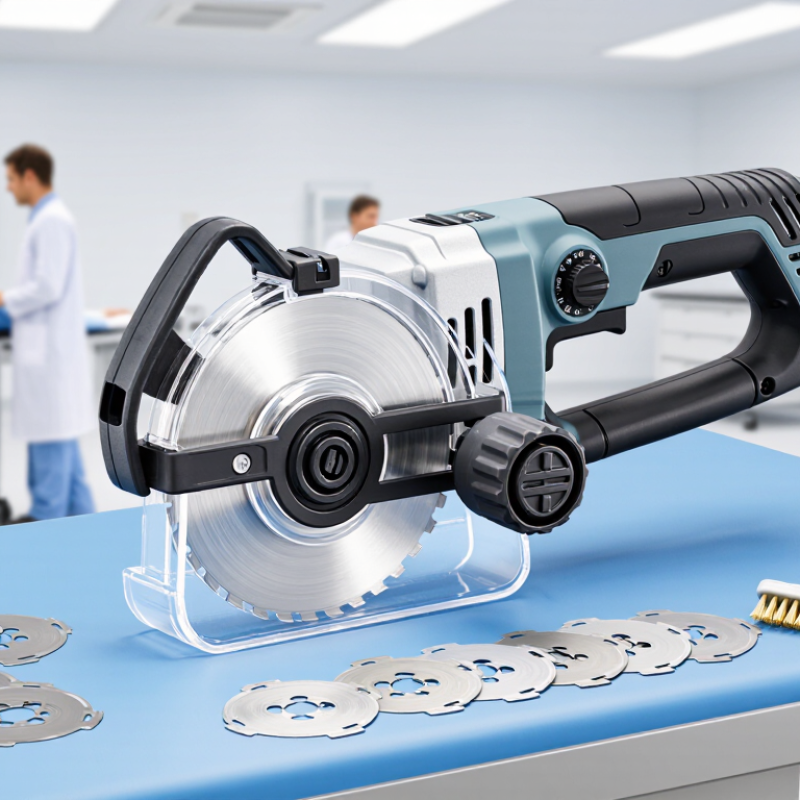
An electric plaster cutter is a clinical tool used to remove rigid casts and hardened bandages. Unlike a rotary saw, its blade oscillates rapidly from side to side. This limited movement helps the blade cut plaster while reducing the chance of continuous skin contact. Still, it is not completely risk-free.

When the blade touches the cast, vibration creates a narrow cutting path through the material. The operator usually makes several shallow passes instead of forcing one deep cut. Soft padding beneath the plaster can then be opened with a spreader or suitable hand tool. The process may feel warm, loud, and surprisingly intense. A trained professional controls pressure, blade position, and cutting speed throughout the procedure.

Tips: Check the blade, guard, power supply, and cleaning condition before use. Keep the cutter moving gently. Do not press hard. Explain the noise and vibration to the patient. Watch for heat, discomfort, or unusual resistance. Stop and reassess when something feels wrong. That simple pause is often overlooked. I would also avoid assuming every cast behaves the same; wet, layered, or reinforced plaster may need a slower approach and different cutting points. Proper training and the device’s instructions should guide the final choice.

Which Plaster Cutting Tasks Require an Electric Tool?

2026 How to Choose an Electric Plaster Cutter?

An electric plaster cutter is useful when cured material resists steady hand tools. Thick plaster walls, dense plasterboard, and layered ceilings often require powered cutting. Renovation teams may use it to create clean openings for pipes, switches, ventilation, or inspection panels. Repeated cuts also justify electric assistance. It reduces wrist strain and keeps the cutting line more consistent.

Choose an electric tool when the surface is broad, hardened, or reinforced with mesh. A controlled blade can pass through several layers more efficiently than a manual scraper. However, delicate repairs need a different approach. Around fragile edges, a hand tool may offer better control. More power is not always better.

Check the wall before cutting. Hidden cables, pipes, and structural supports can sit behind a thin plaster layer. Use a suitable detector, wear eye protection, and control airborne dust with extraction. Keep the blade depth moderate. Cutting too deeply creates expensive damage and weakens surrounding material.

Experienced installers usually test a small section first. This reveals hidden mesh, uneven thickness, or unexpected moisture. I would not skip that step, even on familiar walls. Cutting can feel simple until the blade meets something unseen. A stable grip, clear lighting, and a marked cutting line matter more than speed.

2026 How to Choose an Electric Plaster Cutter?

Which Plaster Cutting Tasks Require an Electric Tool?

The chart ranks common plaster-cutting tasks by the practical need for an electric cutter. Electric tools are most useful for repeated, deep, dense, or highly controlled cuts, while small repairs and thin plaster can usually be completed with a manual scoring tool.

How to Compare Power, Blade Types, and Cutting Performance

2026 How to Choose an Electric Plaster Cutter?

Power should be judged by cutting stability, not wattage alone. A higher-rated motor may still stall under pressure. Check rated power, oscillation speed, stroke angle, and overload protection together. For routine plaster casts, moderate power with steady oscillation usually gives better control. Excessive force can heat the blade and irritate skin. In practical use, the cutter should move through the shell while your hand remains relaxed.

Blade choice changes performance sharply. Fine-tooth steel blades suit traditional plaster and produce a clean, controlled cut. Carbide-grit blades handle fiberglass and abrasive composite casts more effectively. Diamond-coated blades can last longer, but they may cut aggressively and cost more. Select the blade according to cast material, thickness, and replacement availability. Do not assume one blade fits every task.

Noise and vibration deserve equal attention. OSHA sets an 8-hour permissible noise exposure limit at 90 dBA, while NIOSH recommends 85 dBA as a more protective threshold in its occupational noise criteria. A short procedure is not automatically harmless. Compare measured noise, vibration, guard design, and dust control under realistic load. Ask for test conditions, not impressive laboratory numbers. I would also inspect the cut edge by touch, because a smooth finish matters more than a fast first pass. Some specifications remain vague, and that should make buyers pause.

How to Choose Safety Features, Ergonomics, and Dust Control

Choosing an electric plaster cutter starts with safety, not cutting speed. Look for a guarded blade, trigger lock, overload protection, and an anti-restart function. A soft-start motor can reduce sudden movement when the blade contacts plaster. Keep both hands comfortable and visible. The tool should feel balanced near the cutting point, not nose-heavy.

Ergonomics matters during ceiling work. Choose a low-vibration handle, adjustable grip, and manageable weight. OSHA’s silica standard, 29 CFR 1926.1153, sets a permissible exposure limit of 50 micrograms per cubic metre over eight hours when respirable crystalline silica is present. Not every plaster product contains silica, but old substrates may. Select a cutter with an effective extraction shroud, sealed airflow path, and vacuum connection. NIOSH recommends engineering controls before relying on respirators. Dust control is not a cosmetic feature.

Tips: Check the shroud against the wall before cutting. Use a compatible HEPA vacuum. Inspect the hose for leaks. Replace clogged filters early. A useful airflow indicator helps, although it can be imperfect.

I would still test dust escape under real site conditions. A showroom demonstration rarely reveals ceiling dust, awkward angles, or tired hands. Choose the model that remains controllable after several minutes, not only the one with the fastest blade.

How to Evaluate Durability, Maintenance, and Overall Value

When choosing an electric plaster cutter in 2026, examine durability beyond the outer casing. A durable model should resist dust, vibration, and repeated daily handling. Inspect the housing for solid joints, comfortable grips, and protected switches. The blade guard should remain stable during cutting. Ask whether replacement blades and carbon brushes are easy to obtain. Look for clear service instructions.

Maintenance often determines real working life. After each use, remove plaster dust from vents, guards, and moving parts with a soft brush. Keep the power cord away from sharp edges and inspect it for cracks. A removable guard makes cleaning faster. Check unusual noise early. Small changes can signal worn bearings or loose components.

My own early assessment missed maintenance time. I focused on cutting speed and ignored cleaning access. That mistake affected productivity. Calculate value through total ownership cost, not purchase price alone. Include replacement parts, servicing, operator training, and expected downtime. A cheaper cutter may become expensive after frequent repairs. Compare warranty terms carefully, but read exclusions. They may not cover dust-related damage. Test the tool in a controlled setting before purchase. A short trial can reveal hand fatigue, poor balance, or difficult blade changes. Ask experienced operators for practical feedback, because specifications rarely show everything.

FAQS

When is an electric plaster cutter useful?

It suits thick, hardened, or layered plaster. Dense plasterboard may also need powered cutting. Repeated openings reduce wrist strain. Hand tools remain better for delicate edges.

What surfaces can an electric cutter handle?

It can cut plaster walls, ceilings, and plasterboard. Reinforcing mesh may require controlled powered cutting. Test an unseen area. Materials can vary unexpectedly.

What should be checked before cutting?

Scan for hidden cables, pipes, and structural supports. Mark the cutting line clearly. Set a moderate blade depth. Cutting too deeply causes costly damage.

How can dust exposure be controlled?

Use a guarded cutter with a sealed extraction shroud. Connect it to a compatible HEPA vacuum. Check the hose for leaks. Dust control matters.

Which safety features deserve attention?

Look for a blade guard, trigger lock, and overload protection. Anti-restart protection prevents sudden activation. Soft start can reduce movement on contact. Keep both hands stable.

What makes a cutter comfortable during ceiling work?

Choose low vibration, balanced weight, and an adjustable grip. A nose-heavy tool can quickly tire your arms. Test it for several minutes. Short trials can mislead.

How should the tool be maintained?

Brush plaster dust from vents, guards, and moving parts after use. Inspect the cord for cracks. Check unusual noise early. Small faults grow.

How should overall value be judged?

Include blades, servicing, training, and possible downtime. Check replacement parts and warranty exclusions. A cheaper tool may cost more later. I once overlooked cleaning time. That affected productivity.

Conclusion

Choosing the right Electric Plaster Cutter begins with understanding how it works. Unlike manual cutting tools, an electric model uses a powered oscillating or rotating blade to create controlled cuts in plaster, drywall, and similar materials. It is especially useful for renovation, repair, installation, and repeated cutting tasks where speed, consistency, and reduced physical effort are important. When comparing models, consider motor power, adjustable speed, blade design, cutting depth, and the tool’s ability to maintain stable performance under load.

Safety and comfort are equally important. Look for secure blade guards, reliable switches, low vibration, comfortable handles, and effective dust-control connections to improve visibility and protect the work area. A durable housing, easy blade replacement, accessible cleaning points, and dependable heat management can reduce maintenance over time. Finally, evaluate the complete value rather than focusing only on purchase price. A suitable Electric Plaster Cutter should combine efficient cutting, safe operation, long-term durability, practical maintenance, and performance that matches the scale and frequency of your projects.


Amelia

Amelia

Amelia is a skilled marketing professional dedicated to helping businesses and customers better understand practical, reliable product solutions. With a strong background in market research, content strategy, and customer communication, she brings clarity and insight to every article she writes.......