Choosing a Lumbo Sacral Support Belt is not simply a matter of selecting the widest strap or strongest compression. Comfort, fit, breathability, adjustability, and clinical purpose all influence real-world performance. A belt that feels supportive in a showroom may become restrictive after eight hours of warehouse work, driving, or rehabilitation. Small details matter, such as rounded edges, stable Velcro panels, flexible stays, and fabric that does not trap sweat against the skin.
Spine researcher Dr. Stuart McGill often reminds clinicians, “The back is not a hinge.” That observation challenges manufacturers to design support products that encourage controlled movement rather than unnecessary stiffness. In this guide, the Top 10 Lumbo Sacral Support Belt Manufacturers are examined through practical and professional criteria, including product construction, sizing systems, quality controls, user feedback, and transparency in performance claims. The review also considers whether companies explain appropriate use, limitations, and maintenance clearly.
Real experience can be untidy.
Some users prefer firm compression, while others report discomfort within minutes. No manufacturer is perfect, and marketing language can sometimes move faster than independent evidence. That is why this comparison avoids relying on appearance alone. It looks at how each brand translates ergonomic principles into a wearable product. Readers should still consult a qualified healthcare professional when pain persists, numbness appears, or movement becomes difficult. A Lumbo Sacral Support Belt may assist selected activities, but it should not replace diagnosis, exercise guidance, or responsible medical care.
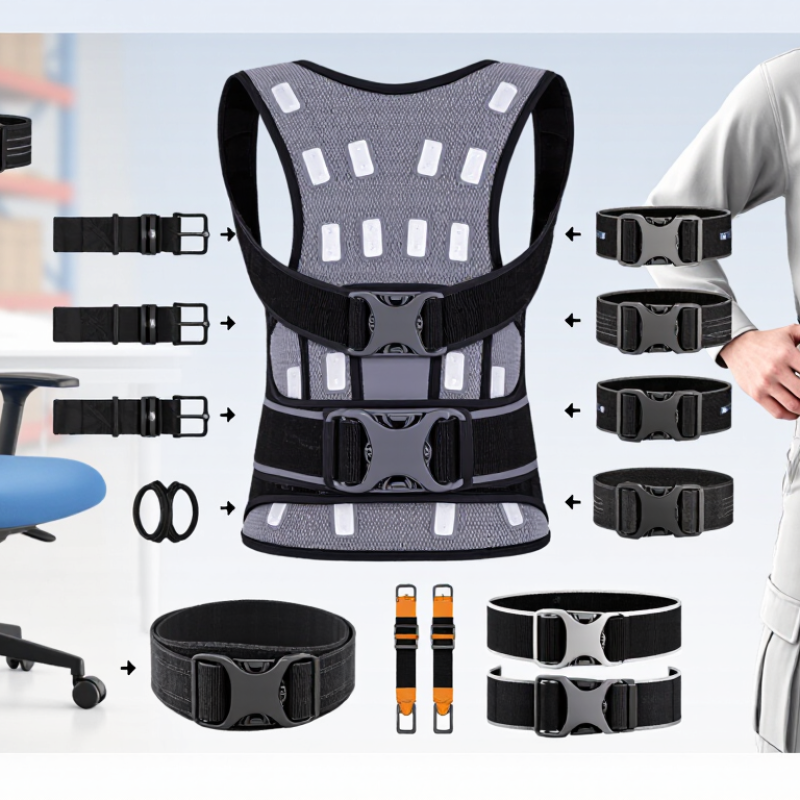
A lumbo sacral support belt is an external brace designed to support the lower back and sacral area. It may limit excessive movement, improve body awareness, and reduce strain during selected activities. The belt does not repair every spinal problem. A professional assessment remains important.
Common types include flexible elastic belts, semi-rigid belts with removable stays, and rigid braces for stronger movement control. Flexible models suit mild support during standing, walking, or routine work. Semi-rigid designs add stability through firm panels or stays. Rigid braces are usually prescribed for specific conditions and require careful fitting. They may feel secure, but excessive tightness can restrict breathing or irritate the skin.
A useful belt should sit above the hips and cover the lower lumbar region without folding. The lower edge should not dig into the groin while sitting. Check for numbness, color changes, sweating, or pressure marks. These details matter.
Fit is often underestimated.
Support belts may help short-term comfort, but relying on them continuously can weaken movement confidence. They should complement exercise, posture training, and professional guidance. The best choice depends on symptoms, body shape, work demands, and the level of support required. Size charts are helpful, yet they are not perfect. A clinician or trained fitter can identify problems that measurements miss.
| No. | Main Type | Definition and Construction | Primary Purpose | Typical Support Level | Common Applications | Typical Materials | Important Considerations |
|---|---|---|---|---|---|---|---|
| 1 | Elastic Lumbar Belt | A flexible wrap that applies gentle compression around the lower back and abdomen. | Provides warmth, light compression, and a reminder to maintain a neutral posture. | Light | Mild mechanical low-back discomfort, daily activities, and general support. | Elastic fabric, nylon, polyester, and hook-and-loop fasteners. | Should fit firmly without restricting breathing, circulation, or normal movement. |
| 2 | Neoprene Support Belt | A close-fitting belt made with insulating, flexible neoprene or a similar synthetic foam material. | Combines compression with retained heat around the lumbar region. | Light to Moderate | Exercise, outdoor work, and temporary support during physically demanding activities. | Neoprene, laminated textile, mesh panels, and adjustable straps. | Heat and moisture may cause discomfort or skin irritation for some users. |
| 3 | Rigid Panel Lumbo Sacral Orthosis | A lumbar-sacral brace incorporating molded plastic, metal, or other rigid posterior panels. | Limits selected trunk movements and helps stabilize the lumbar and sacral areas. | Moderate to High | Postoperative care, vertebral conditions, or instability when prescribed by a clinician. | Molded thermoplastic, aluminum stays, foam padding, and textile covers. | Should be fitted and used according to professional medical guidance. |
| 4 | Sacroiliac (SI) Joint Belt | A relatively narrow belt positioned around the pelvis, usually across the sacroiliac joints. | Provides pelvic compression and may reduce excessive movement at the SI joints. | Light to Moderate | Pelvic girdle pain and selected SI joint support applications. | Elastic webbing, breathable fabric, silicone grip strips, and hook-and-loop closures. | Correct placement over the pelvis is essential; it is not a substitute for diagnosis. |
| 5 | Maternity Support Belt | An adjustable support system designed to distribute abdominal and pelvic load during pregnancy. | Supports the abdomen and may lessen strain on the lower back and pelvis. | Light to Moderate | Pregnancy-related low-back discomfort and pelvic support when medically appropriate. | Soft elastic fabric, breathable mesh, padded panels, and adjustable straps. | Use should be comfortable and discussed with a healthcare professional if pain persists. |
| 6 | Back Brace with Posterior Stays | A textile lumbar belt reinforced by several flexible or semi-rigid stays along the back. | Improves mechanical support while retaining more flexibility than a rigid orthosis. | Moderate | Repetitive lifting, prolonged standing, and activity-related lumbar strain. | Nylon, polyester, elastic webbing, steel or polymer stays, and foam padding. | Stays should remain aligned with the lumbar curve and should not create pressure points. |
| 7 | Scoliosis or Custom-Molded Brace | A patient-specific orthosis shaped to an individual's spinal and pelvic anatomy. | Applies carefully directed forces or provides controlled stabilization for specific spinal conditions. | High | Selected spinal deformities and complex cases under specialist supervision. | Custom-molded thermoplastic, liners, straps, and pressure-relief padding. | Requires professional assessment, fabrication, adjustment, and follow-up. |
| 8 | Posture Support Belt | A lightweight support garment designed to encourage more upright trunk and shoulder positioning. | Provides proprioceptive feedback and mild support rather than rigid spinal immobilization. | Light | Desk work, prolonged sitting, and posture-awareness training. | Elastic straps, breathable mesh, soft foam, and adjustable closures. | Should complement ergonomic changes and strengthening rather than replace them. |
| 9 | Lifting Support Belt | A wide, adjustable belt intended to provide abdominal and lumbar compression during manual tasks. | Offers external support and a lifting-technique reminder during short periods of exertion. | Moderate | Material handling, warehouse work, construction, and occasional lifting tasks. | Heavy-duty elastic, nylon, foam, reinforced panels, and hook-and-loop fasteners. | A belt cannot eliminate lifting risk; safe technique and load control remain necessary. |
| 10 | Postoperative Lumbo Sacral Brace | A medical brace configured to support and restrict movement after selected spinal or pelvic procedures. | Assists with controlled immobilization, comfort, and protection during recovery when prescribed. | Moderate to High | Postoperative rehabilitation and selected acute or chronic spinal conditions. | Rigid or semi-rigid panels, breathable textiles, foam liners, and adjustable straps. | The wearing schedule and fit must follow the surgeon's or orthotist's instructions. |
Note: Lumbo sacral support belts can provide compression, proprioceptive feedback, or movement restriction, but they do not diagnose or cure the underlying cause of back pain. Persistent, severe, or radiating pain should be assessed by a qualified healthcare professional.
Examine fabric softness, breathable panels, reinforced stitching, and secure closures. The belt should support the lower back without digging into skin. Check measured waist ranges instead of vague size labels. Test a sample before ordering in bulk.
Samples can reveal slipping, heat buildup, weak fastening, or uncomfortable pressure. Wear the belt while sitting, walking, and bending. Measure comfort after several hours. Test it first.
Request inspection records, material traceability, and batch testing procedures. Ask whether each batch undergoes seam, tensile-strength, and odor testing. Review how production problems are recorded and corrected. Evidence matters.
Ask for current quality-system certificates and their exact coverage. Request written test results, audit information, and corrective-action records. Verify certificates independently when possible. Certification alone proves little.
Check whether the factory controls pattern grading, stitching, elastic tension, and foam lamination. Inspect cutting areas, sewing lines, inspection stations, and storage conditions. Ask for samples from three production batches. Small differences matter.
Compare the stated waist range with actual measurements. Try two sizes when measurements fall near a boundary. Record pressure points, skin irritation, and movement restrictions. Fit can change after several hours.
Look for clear instructions, labeling, packaging details, complaint procedures, and replacement policies. Ask how material changes affect compression and comfort. Suppliers should explain limitations and contraindications clearly. Vague assurances are not enough.
Use weighted criteria for quality, testing, capacity, lead time, and complaint handling. Include minimum order quantities and specification-change support. Review communication speed and written records. A polished website is not strong evidence.
Do not choose only by price, catalog photos, or confident marketing language. Real-world wear testing may expose problems that documents miss. No checklist is perfect. I would keep questioning my own score.
This article provides a practical overview of the Lumbo Sacral Support Belt, explaining its definition, purpose, and main types for different levels of lower-back support, posture control, injury prevention, and recovery. It also presents key criteria for evaluating manufacturers, including product quality, material selection, ergonomic design, production consistency, customization capabilities, customer service, and delivery reliability. The goal is to help buyers understand how supplier expertise can influence comfort, durability, fit, and overall product performance.
The guide also compares the features and materials commonly used in Lumbo Sacral Support Belt production, such as breathable fabrics, adjustable closures, flexible support stays, and reinforced structures. In addition, it outlines how to assess suppliers through certifications, quality-control procedures, manufacturing capacity, testing standards, and private-label or custom-design options. By reviewing these factors together, purchasers can make more informed decisions and identify manufacturers that align with their intended market, product requirements, and long-term business objectives.