Discover industry trends, product guides, and medical device technical insights.
Technical updates and clinical applications for modern orthopedic surgery.
Best practices for orthopedic braces, splints, and patient care equipment.
What Is a Hyper Extension Ash Brace? This question often appears after a spinal injury, compression fracture, or surgical consultation. A Hyper Extension Ash Brace is a rigid spinal orthosis designed to limit forward bending. It usually supports the thoracic and lumbar spine through a three-point pressure system. The brace may include a front sternum pad, a pelvic support, and a rear spinal pad. Together, these parts encourage an upright posture while reducing stress on injured vertebrae.
Clinicians may prescribe this brace for selected thoracolumbar compression fractures or other conditions requiring controlled spinal movement. Its purpose is not simply to “hold the back straight.” Proper fitting matters. A brace that presses against the ribs, slips over the pelvis, or causes numbness may need adjustment. I have seen descriptions use “Ash brace,” “hyperextension brace,” and “TLSO” interchangeably, although they are not always identical. That wording can create confusion.
A qualified orthotist or physician should confirm the correct model and wearing schedule. Patients should also receive clear instructions about sitting, sleeping, skin checks, and gradual activity. Redness that remains after removal deserves attention. Increasing pain, weakness, or new bladder symptoms requires prompt medical assessment. The brace can support healing, but it cannot replace diagnosis, follow-up imaging, or supervised rehabilitation. Its value depends on the injury, the fitting, and consistent use. Small details matter. Even experienced users may need periodic review as swelling, posture, or recovery changes.
What Is a Hyper Extension Ash Brace?
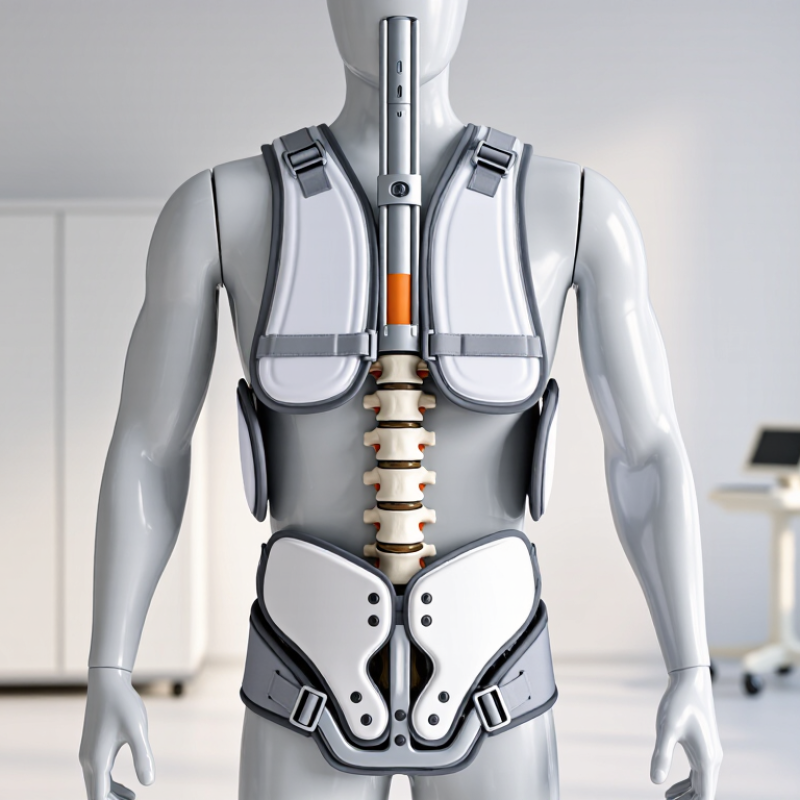
A hyperextension Ash brace is a spinal support designed to limit excessive forward bending. It usually uses a padded frame around the chest, back, and pelvis. The brace applies gentle pressure to encourage a more upright posture. Its main purpose is reducing stress on the front of the spine during healing. Doctors may prescribe it after certain vertebral compression fractures, spinal injuries, or procedures. The exact indication depends on imaging, symptoms, bone strength, and overall health.
In clinical practice, proper fitting matters as much as the brace itself. The front pad should rest firmly below the breastbone, while the lower support sits across the pelvis. Pressure should feel supportive, not sharp or restrictive. A brace that is too loose may provide little control. One that is too tight can irritate skin or affect breathing. It is not a cure. It is a temporary tool that supports safer movement while the spine heals. Some patients need time to adjust, and that is normal.
Tips: Wear the brace only as directed by a qualified clinician. Check your skin after removing it, especially around padded edges. Keep the frame clean and inspect its straps regularly. Do not change the fit without professional advice. If numbness, worsening pain, breathing difficulty, or skin damage appears, contact your healthcare provider promptly. The design sounds simple, but small fitting errors can matter.
What Is a Hyper Extension Ash Brace?
Key Components and How the Brace Works
A hyperextension Ash brace is a rigid spinal orthosis used to limit forward bending. Clinicians may prescribe it after selected thoracic or lumbar injuries. It can also support certain healing conditions when movement needs careful control. The brace does not “fix” the spine by itself. It creates a safer movement pattern while the underlying problem heals.
Its structure is practical and firm. A front chest pad rests below the breastbone. A pelvic pad sits across the lower abdomen or pelvis. Two side supports connect these pads and form the frame. Adjustable straps hold the brace close to the body. Together, these parts create a three-point pressure system. The pads discourage spinal flexion, while the rigid frame helps maintain a more extended posture. The design may feel restrictive at first.
Correct fitting matters greatly. A clinician checks the pad position, skin pressure, breathing comfort, and sitting tolerance. A brace that shifts can provide uneven support. Tight straps may cause rubbing, numbness, or difficulty breathing. Loose straps may reduce control. Small details matter. Users should inspect the skin after wearing it and report persistent pain, redness, or weakness. Real-world use is not always comfortable, and the prescribed wearing schedule may need adjustment. The brace should support recovery, not replace medical assessment or guided rehabilitation.
A hyperextension ASH brace is a rigid spinal orthosis designed to limit forward bending. It supports the mid and lower spine through three contact points: the chest, back, and pelvis. This position may reduce stress on injured vertebrae during movement.
Clinicians commonly prescribe this brace for stable thoracic or lumbar compression fractures. These injuries often follow osteoporosis, a fall, or a lifting accident. The brace may also help selected patients with painful wedge-shaped vertebral fractures and some post-operative recovery plans.
It is not suitable for every spinal injury. Unstable fractures, severe neurological symptoms, skin problems, or poor balance may require another approach. Imaging and a physical examination should guide the decision.
A correct fit matters. The chest pad should feel secure without restricting breathing, while the pelvic pad should remain stable when walking. Patients may need help putting it on, especially during the first few days. Wear time varies, and the prescribing clinician should set the schedule.
The brace can reduce painful flexion, but it does not rebuild weakened bone or replace osteoporosis treatment. The word “treatment” can therefore sound broader than it is.
Fit can be tricky. Pressure, numbness, or worsening pain deserves prompt medical review.
Gentle walking may be encouraged, but bending, twisting, and lifting restrictions must remain individualized. Regular follow-up helps confirm healing and prevent avoidable complications.
What Is a Hyper Extension Ash Brace?
A hyperextension Ash brace is a spinal orthosis designed to limit forward bending. It uses three pressure points across the chest, back, and pelvis. This positioning can support the spine after certain fractures, procedures, or posture-related conditions. A qualified clinician should decide whether it is appropriate for you. The wrong brace may increase pressure or restrict breathing.
Proper fitting matters more than appearance. Stand upright while the clinician positions the brace against your body. The chest pad should feel firm, not sharp. The pelvic section should rest securely without pressing into the groin. Fasten the straps evenly, then take several slow breaths. If the brace slips, pinches, or causes numbness, stop and request an adjustment. Do not tighten it simply because it feels loose at first. That assumption can be misleading.
Tips: Wear a thin, smooth shirt underneath to reduce rubbing. Check your skin after removing the brace, especially around the ribs and hips. Red marks that fade quickly may be acceptable, but blisters, swelling, or lasting pain need professional attention. Sit, walk, and turn slowly during the first few days. Daily use should follow your clinician’s schedule, not a general online routine. Some users need help applying it correctly. That is normal. Recheck the fit after weight changes or clothing changes, because small differences can affect comfort and support.
A hyperextension ASH brace is a spinal orthosis designed to limit forward bending. It usually supports the chest, lower back, and pelvis with padded contact points. This positioning may reduce pressure on certain vertebrae during healing. Doctors may prescribe it after selected spinal fractures, surgery, or conditions causing painful flexion.
The main benefit is controlled movement. A brace can remind the wearer to sit upright while walking, standing, or getting out of bed. Some users report less pain during short daily activities. Proper fitting matters greatly. The pads should feel firm, not sharp, and the brace should not restrict normal breathing. A loose brace may provide little support. An overly tight brace can cause skin irritation, numbness, or discomfort after meals.
Limitations deserve equal attention. The brace does not repair bone by itself, and it cannot replace medical follow-up or prescribed exercises. Extended use may contribute to muscle weakness, stiffness, or dependence. That risk is easy to underestimate. Inspect the skin each day, especially around the sternum, pelvis, and spine. Keep the skin clean and dry. Stop and contact a clinician if pain increases, breathing becomes difficult, or new weakness appears. Fit can change with swelling, weight changes, or worn padding. Never adjust the brace dramatically without professional guidance, even if the current setting feels inconvenient.
It is a rigid spinal support that limits excessive forward bending. It encourages a more upright posture during healing.
Chest, pelvic, and side supports create controlled pressure. This three-point design discourages spinal flexion and reduces movement stress.
Clinicians may prescribe it for selected, stable thoracic or lumbar compression fractures. Some postoperative recovery plans may also include it.
No. Unstable fractures, serious nerve symptoms, skin problems, or poor balance may require different support.
The chest pad should sit below the breastbone. The pelvic pad should rest securely across the pelvis.
Yes. It may feel restrictive at first. That feeling is common, but it should not cause sharp pain.
Wear time depends on the injury, imaging, symptoms, and healing progress. Follow the schedule given by the prescribing clinician.
Bending, twisting, and lifting may need restriction. Gentle walking might be encouraged, depending on individual instructions.
No. It supports safer movement while the spine heals. It does not rebuild bone or replace osteoporosis treatment.
Inspect the skin around the chest, pelvis, and padded edges. Watch for lasting redness, sores, or bruising.
Contact a healthcare provider promptly for worsening pain, weakness, numbness, breathing trouble, or skin damage.
A Hyper Extension Ash Brace is a supportive orthopedic device designed to limit excessive forward bending of the spine while helping maintain a controlled, upright posture. It typically includes a firm frame, padded contact points, adjustable straps, and front or rear support components that distribute pressure across the torso. By guiding spinal alignment and reducing unwanted movement, the brace may assist people recovering from vertebral compression injuries, spinal deformities, postural problems, or certain conditions requiring temporary stabilization.
Proper fitting is essential for comfort, effectiveness, and safe daily use. The brace should be adjusted according to professional guidance so it feels secure without restricting breathing, circulation, or normal movement unnecessarily. Users should check the skin regularly, follow recommended wearing schedules, and keep the brace clean and dry. Benefits may include improved posture, reduced strain, and greater confidence during recovery, but limitations can include discomfort, restricted activity, and dependence on correct adjustment. Medical advice should be obtained before use, especially if pain, numbness, skin irritation, or breathing difficulty occurs.