An aching back can make a long drive feel longer, and even a kitchen chair may become uncomfortable. Many people seek extra support while reading, working at a desk, or resting after routine activity. An Orthopedic Back Support Pillow is designed to support the back’s natural curves and encourage a more comfortable seated position. Its shape, firmness, and placement can affect how it feels against the lower back.
The right choice depends on your body, chair, and daily routine. A contoured pillow may fill the gap between your back and the chair, while adjustable straps can help keep it in place. Check the dimensions, cover fabric, and care instructions before buying. Fit is personal. A pillow that feels supportive to one person may feel too firm or bulky to another. That matters. Good posture also depends on how you sit, how long you remain still, and whether your feet reach the floor comfortably. A cushion is not a diagnosis or a guaranteed treatment for back pain. If discomfort persists, worsens, or comes with other concerning symptoms, seek advice from a qualified healthcare professional. Careful comparison can help you decide whether this simple support belongs in your everyday setup.
What Is an Orthopedic Back Support Pillow?
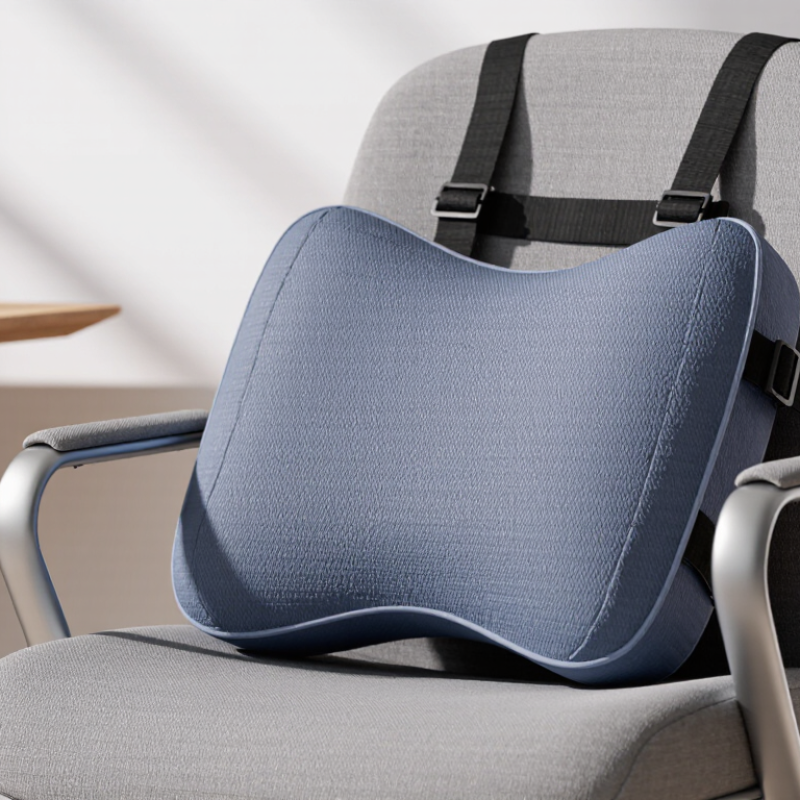
An orthopedic back support pillow is a shaped cushion designed to support the lower back while sitting. Many models have a curved profile, supportive foam, and straps that attach to a chair. The lower section usually rests above the hips, where it can fill the gap between the back and the seat. Some designs provide wider support across the middle back.
It is not a brace, and it does not correct every posture problem. Its purpose is simpler: to make sitting feel more supported and comfortable. For example, a cushion may help reduce slouching during a long desk session. Fit matters. A pillow that feels supportive to one person may press uncomfortably against another’s back. Chair shape and body size both affect how it feels.
Choose a cushion that fits your chair, and check whether its cover can be cleaned. Try it for short periods before using it all day. Stop using it if it causes numbness, sharp pain, or worsening discomfort. A pillow can offer support, but it is not a cure. If back pain persists or is severe, ask a qualified health professional for guidance.
How Does It Help Maintain Spinal Alignment?
Why Choose an Orthopedic Back Support Pillow?
How Does It Help Maintain Spinal Alignment?
A back support pillow can fill the gap between your lower back and a chair, helping your spine keep its natural curves while you sit. Without support, you may gradually slump, rounding your shoulders and tilting your pelvis. A cushion placed at the lumbar curve can make an upright position feel easier to maintain. It does not force your spine into one “perfect” shape, and comfort varies from person to person. Small adjustments matter.
Tips: Sit with your feet flat and hips near knee height. Place the pillow at your lower back, not high between your shoulder blades. If it pushes you forward or feels too firm, reposition it or try a thinner support.
Check your posture after settling in: your shoulders should feel relaxed, and your back should not be straining against the cushion. Stand and move regularly, especially during long periods of sitting. A pillow can support comfortable positioning, but it cannot correct every cause of back pain. Persistent or worsening symptoms deserve advice from a qualified health professional. Even a useful cushion may take a little trial and error.
Which Design Features Influence Support and Comfort?
An orthopedic back support pillow works best when its shape matches the gap between your lower back and the chair. A gentle lumbar curve can support this area without pushing the torso forward. Check the pillow’s height and width while seated; a bulky edge may press against your ribs, while a narrow cushion may shift away from your back. Fit matters.
Firmness and material also shape comfort. Dense foam may hold its form, while softer fill can feel pleasant but compress during longer sitting. A breathable, removable cover is useful if the chair feels warm or the pillow needs regular cleaning. Straps can limit slipping, though they may not fit every chair. No design suits everyone. That’s the frustrating part.
Tips: Sit with both feet supported and place the pillow near your belt line. Try it for short periods first. Notice whether it stays in place and feels comfortable; adjust its position if it does not. A pillow can support a sitting setup, but it cannot correct every source of back discomfort.
Who May Benefit From Using One?
Who May Benefit From Using One?
An orthopedic back support pillow may suit people who spend long hours sitting at a desk, driving, or studying. It can provide a steady surface behind the lower back, especially when a chair feels flat or leaves a noticeable gap. Some people with mild, occasional back discomfort find that added support makes sitting easier. Small changes can matter. A cushion may also help someone who tends to slump, though it cannot correct every posture habit or replace movement breaks.
Comfort varies from person to person. The pillow should feel supportive, not force the spine into an awkward position; its height and firmness matter. Fit is personal, and that part is easy to overlook. People with persistent or worsening pain, recent injuries, numbness, or weakness should ask a qualified health professional before relying on a cushion. Those recovering from surgery or managing a diagnosed condition may need specific guidance. Try it for a short period first, and stop if discomfort increases. A pillow is one possible aid, not a treatment for the cause of back pain.
Why Choose an Orthopedic Back Support Pillow? - Who May Benefit From Using One?
| Person or situation |
How a support pillow may help |
Practical considerations |
| People who sit for long periods |
A lumbar support pillow can fill the gap between the lower back and chair, offering a reminder and surface for a more supported sitting posture. |
Adjust the pillow so it feels comfortable; take regular movement breaks, since a pillow does not replace changing position. |
| People with occasional discomfort during sitting or travel |
Portable lumbar support may make a car seat, office chair, or other seat feel more comfortable for some users. |
Comfort varies by person and seat. In a vehicle, position the pillow without interfering with the seat belt or safe driving posture. |
| People looking for added support while sleeping |
A pillow placed between the knees when side-sleeping, or beneath the knees when lying on the back, may improve comfort for some people. |
Choose a position that feels comfortable and does not increase symptoms. There is no single sleeping position that suits everyone. |
| People who want a non-drug comfort aid |
A support pillow is a simple, adjustable comfort measure that can be used alongside appropriate movement and daily activities. |
It does not diagnose or treat the cause of back pain, and it may not provide relief for every person. |
| People with persistent, worsening, or unexplained back pain |
A pillow may provide temporary comfort while the person seeks suitable guidance. |
Consult a qualified healthcare professional, especially if pain follows an injury or comes with weakness, numbness, fever, or bladder or bowel changes. |
General information only. A support pillow is not a substitute for professional medical advice or an individualized treatment plan.
How to Choose and Use a Back Support Pillow
An orthopedic back support pillow should fit your body and chair, not force you into a rigid pose. When choosing one, check whether its curve rests comfortably against your lower back. A small gap or pressure point can make a pillow distracting during a long work session. Small details matter. Consider the chair’s depth, your sitting height, and whether the pillow stays in place when you lean back. Adjustable straps can help, while overly firm padding may feel uncomfortable. Comfort is personal, and the most expensive or thickest option is not automatically the best.
Position the pillow around your lower-back curve, then sit with your feet supported and shoulders relaxed. Start with a short trial, such as 20 to 30 minutes, and adjust its height or firmness if you feel new pressure. It should support you, not push your spine forward. Notice how your back feels during and after use; a quick note can reveal whether a position helps or irritates. I might expect one adjustment to solve everything, but real chairs and bodies are less predictable. Take breaks and change positions rather than relying on the pillow all day. If pain persists, worsens, or follows an injury, ask a qualified health professional for guidance.
How to use the guide: A backrest recline of about 100–110° can be a practical starting point, not a universal rule. Position the pillow to gently fill the gap at your lower back, keep your feet supported, and adjust the setup for comfort.
Conclusion
An Orthopedic Back Support Pillow is designed to provide added support while sitting, helping the lower back rest in a more comfortable position. By filling the space between the back and a chair, it may encourage more natural spinal alignment and reduce the tendency to slump. Its effectiveness and comfort can depend on features such as shape, firmness, size, material, and adjustability, as well as the chair and the user’s preferences.
People who sit for long periods or find ordinary chairs uncomfortable may choose to try one, though a pillow is not a substitute for professional advice about persistent pain. To choose a suitable option, consider how it fits your body and seating area, whether its support feels comfortable, and how easy it is to position and maintain. Place it around the lower back, adjust it as needed, and take regular movement breaks for a more comfortable sitting routine.