Explore our CE-compliant, ISO-certified medical products engineered for global healthcare facilities, surgical units, and orthopedic specialists.
In the modern clinical ecosystem, procuring medical protective personal equipment (PPE) requires meticulous evaluation of multi-jurisdictional compliance protocols. A CE Certified Protective Isolation Gown serves as a critical biological barrier, preventing pathogen transmission, blood-borne viral exposure, and liquid contamination during invasive surgical procedures and routine patient care.
Under European Regulation (EU) 2017/745 (MDR) and Personal Protective Equipment Regulation (EU) 2016/425, isolation gowns are subjected to rigorous testing regimes. Depending on intended clinical usage—ranging from low-risk basic hygiene tasks to high-risk surgical operations involving arterial spray—manufacturers must comply with standardized barrier classifications defined by ANSI/AAMI PB70 and European standard EN 13795-1.
| AAMI PB70 Level | Liquid Barrier Test Standard | Performance Criteria | Clinical Application Environment |
|---|---|---|---|
| Level 1 | AATCC 42 (Water Resistance: Impact Penetration) | Water Impact ≤ 4.5 g | Standard patient care, visitor protection, basic isolation units. |
| Level 2 | AATCC 42 & AATCC 127 (Hydrostatic Head) | Water Impact ≤ 1.0 g; Hydrostatic Pressure ≥ 20 cm H₂O | ICU triage, suture procedures, phlebotomy, blood draw. |
| Level 3 | AATCC 42 & AATCC 127 | Water Impact ≤ 1.0 g; Hydrostatic Pressure ≥ 50 cm H₂O | Arterial blood drawing, emergency trauma rooms, IV insertion. |
| Level 4 | ASTM F1671 (Viral Penetration / Phi-X174) & ASTM F1670 | Zero viral or synthetic blood penetration at 2 psi (13.8 kPa) | Orthopedic surgery, high-fluid surgical procedures, infectious disease containment. |
The structural integrity of isolation gowns depends directly on advanced synthetic polymer processing. Leading CE-certified gown manufacturers utilize multi-layer non-woven fabric architectures engineered through spunbond and meltblown thermo-bonding technologies.
Composed of outer Spunbond polypropylene layers for tensile strength and tear resistance, paired with inner Meltblown micro-fibers that create a microscopic filtration mesh blocking airborne particulates and micro-organisms down to 0.1 microns.
Combines soft non-woven fabric with a breathable polyethylene film containing billions of microscopic pores per square inch. Liquid water drops cannot penetrate due to surface tension, while body heat and moisture vapor freely escape.
Traditional needle stitching creates micro-perforations that compromise liquid containment. High-tech manufacturers employ ultrasonic welding to fuse seams seamlessly, ensuring 100% fluid barrier integrity across shoulder and sleeve joints.
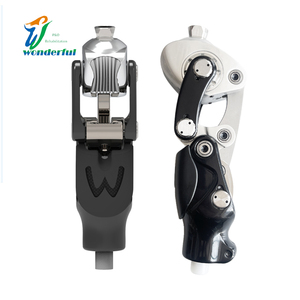
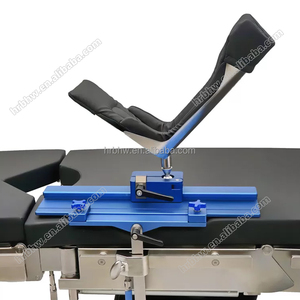
Furthermore, medical devices integrated within high-precision procedures—such as intelligent prosthetic knee joint systems, CoCrMo total knee implants, and specialized surgical positioners—demand an ultra-clean operating room (OR) environment. The non-linting character of high-grade SMMS isolation gowns plays a crucial role in preventing foreign particulate shedding, thereby reducing the incidence of post-operative surgical site infections (SSI).
The global medical supplies market is undergoing a structural transformation driven by supply chain resilience, stringent EU regulatory shifts, and sustainable healthcare initiatives. Healthcare procurement directors and hospital purchasing networks are transitioning away from single-source reliance toward diversified, multi-regional supplier ecosystems.
Key technological and market trends shaping future isolation gown and surgical equipment procurement include:
With healthcare facilities targeting net-zero carbon footprints, demand for bio-polyester, PLA blends, and fully recyclable polyolefin non-wovens is accelerating. Manufacturers are developing closed-loop recycling loops for non-contaminated medical garments.
Incorporation of durable quaternary ammonium compounds, silver nanoparticles, and bio-inspired super-hydrophobic surfaces to actively neutralize bacteria and viruses upon contact, reducing surface transfer risks.
Transition from manual labor to fully automated robotic cutting, folding, and ultrasonic sealing lines—minimizing human contact, enhancing dimensional consistency, and ensuring strict particulate-free packaging.
Founded in 1994 in Vadodara, Gujarat, India, Bharucha Associates (tlamelomedical.com) has built a 30-year legacy of engineering excellence and export reliability in the medical device, surgical instrument, and healthcare rehabilitation sector.
As an ISO 13485-compliant exporter and trusted global vendor, Bharucha Associates bridges the gap between state-of-the-art manufacturing precision and international medical standards. Under the visionary leadership of Mr. Devang Bharucha, the organization supplies premium orthopedic implants, battery-operated surgical drills, prosthetic limb components, and surgical textiles to over 40 countries spanning Europe, the Middle East, Latin America, and Southeast Asia.
Unmatched expertise in managing international regulatory compliance, customs documentation, and specialized medical logistics for institutional buyers.
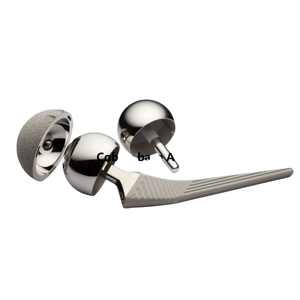
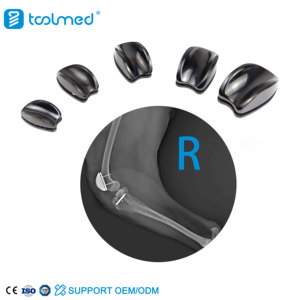
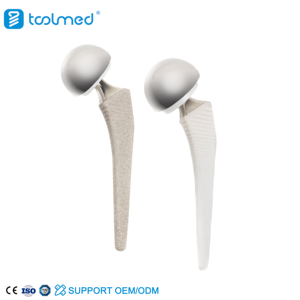
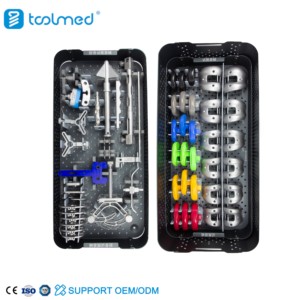
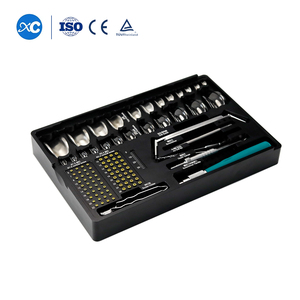
Over 500+ SKUs spanning surgical power tools, high-precision knee/hip prosthetics, orthopedic instruments, disposable surgical drapes, and CE-certified protective isolation garments.
Every product batch undergoes 100% visual, dimensional, and bio-burden safety inspections, backed by complete material traceability certifications.
Partner with Bharucha Associates for CE-certified isolation garments, high-precision orthopedic implants, and advanced surgical equipment. Request technical datasheets, compliance dossiers, and wholesale factory pricing today.
Get a Quote