Explore China’s leading medical-grade orthopedic solutions engineered for clinical excellence, mechanical longevity, and biological compatibility across global healthcare networks.
In orthopedics and fracture management, the casting process represents a fundamental intervention to ensure anatomical stabilization and bone consolidation. While synthetic casting tapes (fiberglass or polyester) provide structural rigidity, orthopedic cast padding serves as the vital biological buffer between rigid outer casts and vulnerable epidermal tissues. Selecting high-grade cast padding from audited China manufacturers is no longer merely a low-cost procurement choice—it is a strategic decision directly impacting clinical outcomes, complication rates, patient comfort, and total healthcare costs.
Under-layer cast padding must fulfill rigorous bio-mechanical criteria. It protects skin from thermal reaction during the exothermic setting of Plaster of Paris (POP) or synthetic polyurethane resin, prevents focal pressure necrosis over bony prominences (such as the olecranon, radial styloid, malleoli, and heel), and absorbs exudate while managing moisture micro-climates. Substandard cast padding often leads to dermal maceration, severe itching, bacterial colonization, and costly cast re-applications.
Leading Chinese manufacturing hubs have undergone a major transformation over the past decade. By transitioning from basic cotton waste processing to ISO 13485-certified, automated spunlace non-woven facilities, Chinese factories now deliver medical-grade cast padding engineered with hydrophobic synthetic microfibers, pure bleached absorbent cotton, and hybrid thermo-bonded polymers that strictly comply with EU MDR 2017/745 and US FDA 510(k) requirements.
Hospital procurement teams and B2B distributors must evaluate the physical properties of cast padding substrates to match specific clinical applications. Below is an engineering comparison of the primary materials manufactured by top Chinese orthopedic factories:
| Performance Parameter | 100% Bleached Absorbent Cotton | 100% Synthetic (Polyester / Acrylic) | Waterproof / Hydrophobic Polyolefin | Viscose-Polyester Blends |
|---|---|---|---|---|
| Primary Indication | Traditional POP casting, sensitive skin | Synthetic casting tape application | Waterproof casting systems | General trauma & post-op padding |
| Moisture Management | High absorption (retains wetness) | Hydrophobic (wicks moisture away) | Zero water absorption (quick-dry) | Balanced absorption & breathability |
| Thermal Shielding | Excellent thermal barrier | Moderate to high heat dissipation | Superior heat dissipation | Good thermal protection |
| Tensile Strength & Tear | Easy tear by hand, low tensile | High conformability, controlled tear | High tensile, tear-resistant | Smooth tearing, high structural integrity |
| Maceration Risk | Moderate to high if wet | Low (keeps skin dry) | Ultra-low (permits bathing/showering) | Low to moderate |
| Sterilization Modes | EO Sterilization, Autoclave (121°C) | Ethylene Oxide (EO), Gamma Radiation | Ethylene Oxide (EO) | EO Sterilization, Gamma |
Modern clinical guidelines increasingly favor 100% polyester non-woven spunlace padding when using synthetic fiberglass casting tapes. The hydrophobic nature of polyester fibers prevents water retention during accidental water exposure, while maintaining loft and cushioning under long-term mechanical compression.
The global orthopedic market is undergoing rapid structural shifts driven by aging demographics, expanding trauma surgical volumes in emerging economies, and demand for minimally invasive post-operative recovery. Procurement officers and B2B buyers should prepare for key market dynamics shaping Chinese manufacturing over the next five years:
Patients increasingly demand active-lifestyle casting solutions. B2B buyers are shifting procurement budgets toward hydrophobic ePTFE or open-cell polyolefin pad liners that permit daily showering and hydrotherapy without degrading cast structural integrity.
To mitigate hospital-acquired skin infections and foul odor under long-term casts, Chinese factories are integrating ionic silver (Ag+) and zinc oxide micro-particles into non-woven padding fibers, establishing a strong defense against Gram-positive and Gram-negative bacteria.
Environmental regulations in the EU and North America are pushing healthcare networks to source eco-friendly medical consumables. Suppliers offering biodegradable polylactic acid (PLA) padding and chlorine-free bleached cotton are capturing higher tender allocations.
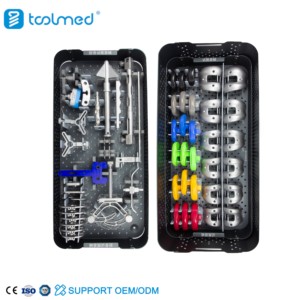
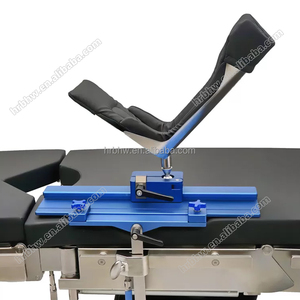
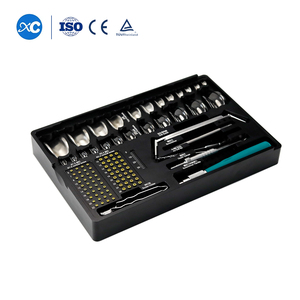
Hospitals prefer single-source procurement for complete trauma kits. Forward-thinking suppliers bundle cast padding and synthetic tape with advanced orthopedic power tools, meniscal staplers, and joint positioner braces to optimize supply chain logistics.
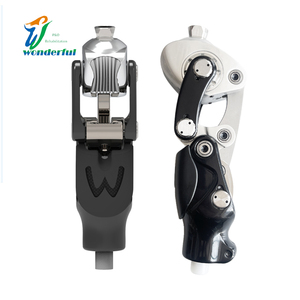
Beyond passive immobilization, high-growth categories include multi-axis intelligent knee joints and computer-assisted alignment instruments. Chinese manufacturers are scaling precision CNC and micro-sensor assembly to meet global B2B demand.
Private label branding, custom roll widths (2", 3", 4", 6"), tailored GSM weight (75g/m² to 150g/m²), and sterile pouch packaging have become standard prerequisites for volume buyers negotiating contract manufacturing agreements.
The orthopedic manufacturing ecosystem in Asia has evolved from fragmented textile workshops into highly consolidated, automated industrial clusters. Buyers seeking to establish robust supply chain partnerships must understand three crucial developmental phases of Chinese orthopedic factories:
Phase 1: Standardization & Automated Non-Woven Carding
Modern factories utilize high-speed needle-punching and hydro-entanglement technology to create cast padding rolls with consistent thickness, uniform weight distribution, and feathered edges. Automated tension control ensures that padding stretches smoothly over complex anatomies (such as elbows, heels, and wrists) without bunching up or causing pressure points under rigid casts.
Phase 2: Full Biocompatibility & Cleanroom Manufacturing
Leading manufacturers operate Class 100,000 (ISO Class 8) cleanrooms dedicated to medical consumable production. Products undergo rigorous skin sensitization, cytotoxicity, and intracutaneous reactivity testing in compliance with ISO 10993 biological evaluation standards, eliminating cytotoxic binders, fluorescence whitening agents, and chemical irritants.
Phase 3: Cross-Category Synergies in Arthroplasty & Reconstruction
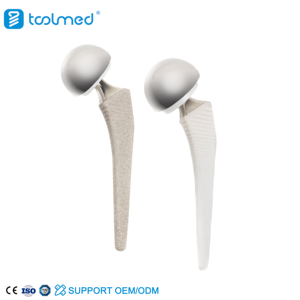
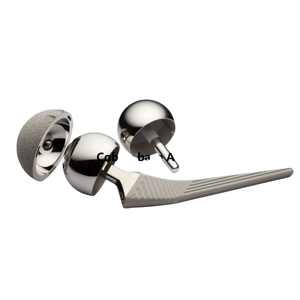
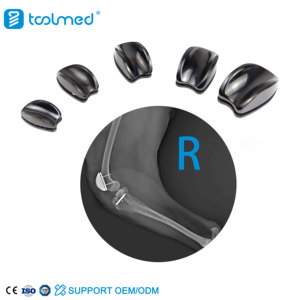
Recognizing that immobilization is only one phase of patient care, top-tier manufacturers have expanded their R&D into implantable materials, investment casting for CoCrMo total knee replacements, titanium veterinary PGR instruments, and intelligent 7-axis prosthetic joints. This comprehensive clinical matrix enables global partners to consolidate vendor management across trauma, joint reconstruction, and rehabilitation product lines.
Essential answers to complex technical, regulatory, and commercial questions faced by hospital procurement officers, medical equipment importers, and OEM brand managers.
Building upon a rich manufacturing heritage established in 1994, our enterprise partner network represents over three decades of clinical dedication, engineering innovation, and international trade excellence. Grounded in rigorous manufacturing protocols, our manufacturing operations combine cutting-edge materials science with uncompromised Quality Assurance.
Since 1994, our manufacturing infrastructure has expanded from specialized orthopedic dressings to comprehensive surgical power tools, bio-implants, and advanced rehabilitation devices.
Our products are trusted by public health authorities, private hospital groups, and military medical logistics units across Europe, North America, the Middle East, and Asia-Pacific.
Every batch of cast padding, surgical staplers, and prosthetic joint components undergoes multi-stage inspections, including raw material purity tests, tensile strain analysis, and bio-burden validation.
Our comprehensive product portfolio seamlessly connects trauma immobilization with advanced reconstructive surgery. From non-woven cast padding and synthetic casting tapes to battery-operated surgical drills, CoCrMo investment castings, and 7-axis intelligent knee prosthetics, we empower healthcare distributors with a single, highly reliable OEM manufacturing partner.
Request comprehensive technical spec sheets, sample kits, factory audit reports, or direct B2B container pricing tailored to your market specifications.
Get a Quote