As clinical orthopedics advances toward minimally invasive procedures and robotic-assisted total joint arthroplasty (TJA), the demand for high-grade surgical bone saw blades, prosthetic knee joint systems, and specialty osteotomy tools has reached an unprecedented standard. Modern healthcare procurement managers, OEM brand buyers, and distributor networks require rigorous metallurgical consistency, zero thermal necrosis risk, micro-saw tooth geometry, and full regulatory conformity (ISO 13485, CE, FDA compliance).
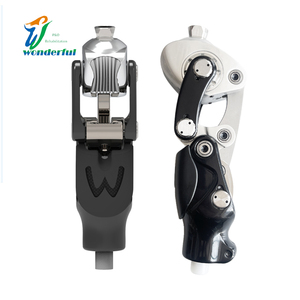
Microprocessor-controlled 7-axis dynamic knee system featuring intelligent gait-phase detection, ultra-light titanium construction, and hydraulic swing phase stability for advanced rehabilitation.
Get Catalog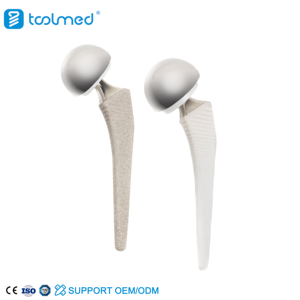
Premium joint replacement implant sets engineered for advanced osteoarthritis treatment, offering exceptional biocompatibility, polished femoral components, and low-wear porous coatings.
Get Catalog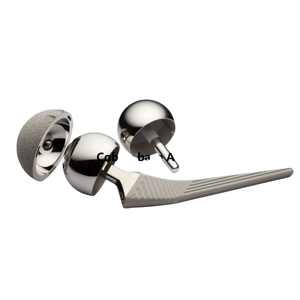
High-precision Cobalt-Chromium-Molybdenum (CoCrMo) vacuum investment castings designed for maximum yield strength, fatigue resistance, and smooth articulation in total knee reconstruction.
Get Catalog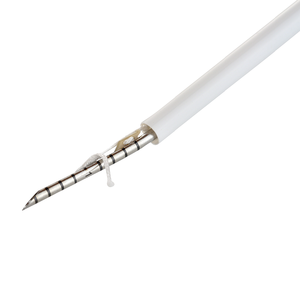
Ergonomic all-inside meniscal stapler and suture delivery needle set, enabling minimally invasive arthroscopic meniscal repair with consistent knot security and low mechanical profile.
Get Catalog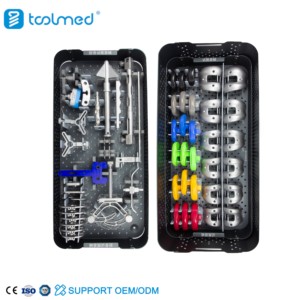
Complete surgical tray featuring precision alignment guides, bone reamers, resection blocks, and tibial trialing instruments forged from German surgical-grade stainless steel.
Get Catalog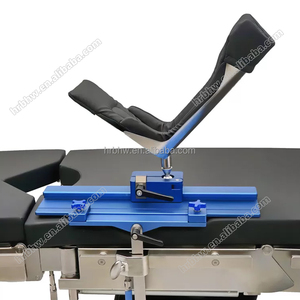
Heavy-duty intraoperative knee positioning apparatus paired with multi-centric hinges for rigid limb stabilization, precise varus/valgus control, and expedited postoperative therapy.
Get Catalog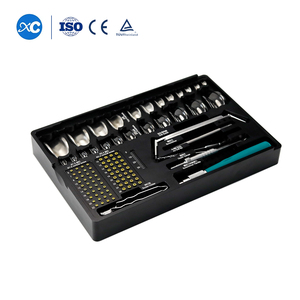
CE-marked veterinary surgical instrumentation designed for canine and feline patellar groove replacement (PGR), crafted with extreme tolerance CNC machining for specialized animal orthopedics.
Get Catalog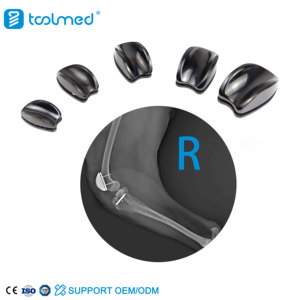
Biocompatible Titanium alloy trochlear groove implants and specialized reamers engineered for high-durability veterinary joint revision and complex trauma reconstruction.
Get CatalogBuilding upon over 30 years of continuous manufacturing excellence (since 1994), our enterprise stands as a premier hub for surgical drills, oscillating saw blades, joint prostheses, and orthopedic instrumentation. We combine state-of-the-art 5-axis CNC grinding machines, automated laser-welding systems, and rigorous metallurgical testing laboratories to serve distributors and hospital consortia across more than 40 countries worldwide.
Every surgical blade is machined using high-precision Swiss-type CNC tooth-cutting technology, guaranteeing uniform kerf width, razor-sharp tooth pitch, and micro-burr-free cutting edges.
We utilize ultra-pure Martensitic Stainless Steel (AISI 420J2 / 440C) and Titanium Grade 5 (Ti-6Al-4V) alloys that undergo specialized vacuum heat treatment to achieve optimal HRC 54–58 hardness.
Complete batch laser marking, UDI compliance, custom hub geometry engineering (Stryker, DePuy Synthes, Zimmer Biomet hub-compatible fittings), and gamma/EO packaging readiness.
During orthopaedic procedures such as Total Knee Arthroplasty (TKA), Total Hip Arthroplasty (THA), and complex trauma osteotomies, bone cutting tools must satisfy demanding biomechanical constraints. The primary cause of aseptic loosening in postoperative implants is thermal osteonecrosis—a phenomenon that occurs when cortical bone temperature exceeds 47°C (116.6°F) for longer than 1 minute during sawing.
Our Chinese manufacturing facilities utilize custom-machined offset tooth patterns (staggered rake angles between 5° and 12°) designed to optimize chip clearance and decrease friction coefficient. By creating a micro-swarf clearance channel within the kerf, blade drag is reduced by up to 34%, maintaining cutting zone temperatures well below the critical 47°C threshold without requiring excessive saline irrigation.
A common point of failure in inferior surgical blades is micro-fracturing along the tooth tips or flexing along the shank, leading to imprecise resection cuts. Through proprietary dual-stage vacuum quenching and sub-zero cryogenic tempering, our blades achieve a core toughness that prevents brittle fracture while maintaining a surface hardness rating of HRC 56±2.
| Material Grade | Tensile Strength (MPa) | Hardness Rating (HRC) | Thermal Necrosis Prevention | Primary Clinical Application |
|---|---|---|---|---|
| Martensitic Stainless Steel 420J2 | 1650 - 1850 | 54 - 56 HRC | High (Optimized Rake) | Standard Oscillating & Sternum Saws |
| AISI 440C High-Carbon Steel | 1900 - 2100 | 56 - 58 HRC | Superior (Low Friction Kerf) | Precision TKA / THA Resection |
| Titanium Ti-6Al-4V Alloy | 950 - 1050 | 36 - 40 HRC (Coated) | Excellent (Biocompatible) | Specialized Robotic & Trauma Tools |
| DLC (Diamond-Like Carbon) Coated | 2200+ | > 65 HRC Surface | Maximum (< 42°C Cut Temp) | High-Speed Revision Arthroplasty |
As global healthcare institutions face growing pressure to reduce operational expenditures while improving surgical outcomes, international procurement strategies for orthopedic power tool consumables are undergoing a structural shift. Buying consortia are increasingly moving away from high-markup tier-1 OEM original consumables in favor of direct-from-factory OEM/ODM manufacturing partnerships in China.
Reusable blades carry hidden sterilizer costs, risk cross-contamination, and suffer progressive blade dulling after just 2–3 autoclave cycles. Procurement departments are standardizing on pre-sterilized, individually pouched single-use blades that guarantee peak sharpness for every osteotomy.
Haptic-guided robotic surgical arms require sub-millimeter blade tolerances to avoid sensor drift during dynamic bone resections. Chinese export leaders are now manufacturing ultra-rigid, zero-deflection blade geometries specifically calibrated for robotic knee and hip systems.
Under EU MDR (2017/745) and US FDA 510(k) mandates, hospital purchasing teams demand complete supply chain transparency. Top Chinese factories provide fully documented Material Test Reports (MTRs), biocompatibility studies, and ISO 13485 audit packages directly to global partners.
Innovation in surgical power tools is defined by micro-engineering and advanced coating technology. Leading Chinese export manufacturers are investing heavily in R&D to create products that deliver superior tactile feedback, lower operational noise, and minimize bone debris scatter.
Traditional oscillating blades possess kerf thicknesses ranging from 1.1mm to 1.35mm. Next-generation saw blade designs reduce this kerf to 0.6mm – 0.8mm using ultra-high tensile martensitic steels. Thin-kerf blades minimize bone mass loss, preserve critical joint anatomy during partial knee replacement, and require up to 40% less push force from the surgeon.
Instead of stocking multiple distinct inventory lines for Stryker®, Zimmer Biomet®, DePuy Synthes®, ConMed®, and Hall®, hospital procurement teams are adopting universal-fit hub designs. Our patented hub geometry securely locks into major power tool handpieces without slippage, vibration loss, or mechanical play.
Applying physical vapor deposition (PVD) Titanium Nitride (TiN) or Diamond-Like Carbon (DLC) coatings creates an ultra-smooth surface barrier. This nano-layer reduces heat generation, prevents blood and tissue adherence during long surgeries, and dramatically extends cutting life during dense cortical bone resections.
Connect directly with our engineering and international export division to receive comprehensive technical specifications, sample kits, and customized OEM quotes for your hospital network or distribution enterprise.