Direct factory supply of certified medical compression bandages, surgical knee implants, prosthetic systems, and specialized clinical instruments for international healthcare procurement.
In the rapidly evolving global healthcare supply chain, selecting qualified China wholesale high elastic compression bandage factories and exporters requires a multi-dimensional assessment of elastomeric polymer selection, stretch-recovery physics, pressure gradient stability, and international regulatory compliance. Compression therapy remains the gold standard non-invasive treatment for chronic venous insufficiency (CVI), lymphedema, venous leg ulcers (VLUs), and post-operative orthopedic edema management.
This whitepaper offers specialized insights into material engineering, manufacturing quality control, global distribution compliance, and Total Cost of Ownership (TCO) optimization for institutional procurement heads, medical device distributors, and orthopedic surgery centers worldwide.
High elastic compression bandages (long-stretch bandages) derive their elasticity from specialized high-twist cotton warp threads interwoven with medical-grade synthetic polyurethane (Spandex/Elastane) or double-covered natural rubber latex cores. Unlike short-stretch bandages which exert high working pressure and low resting pressure, high elastic bandages provide sustained high resting pressure, making them ideal for non-ambulatory patients, acute soft tissue sprains, and post-surgical orthopedics.
| Compression Class | Target Pressure (mmHg) | Elastic Stretch Range | Primary Clinical Applications | Material Yarn Composition |
|---|---|---|---|---|
| Class I (Mild) | 18 – 21 mmHg | 140% – 160% | Early varicose veins, mild ankle edema, post-travel prophylaxis | 82% Cotton, 18% Elastane (Latex-Free) |
| Class II (Moderate) | 23 – 32 mmHg | 160% – 180% | Moderate CVI, post-fracture swelling, orthopedic joint stabilization | 75% Long-Staple Cotton, 25% Covered Spandex |
| Class III (Strong) | 34 – 46 mmHg | 180% – 200% | Severe lymphedema, healed venous leg ulcers, deep vein thrombosis | 70% Combed Cotton, 30% High-Tension Polyurethane core |
| Class IV (Extra Strong) | > 49 mmHg | > 200% | Refractory lymphedema, complex trauma post-op stabilization | Reinforced Polyamide / Rubber Matrix Blend |
*Note: Pressure readings are measured according to Laplace's Law: P = (Tension × 2π) / (Gaiter Circumference × Bandage Width). Factory testing requires calibrated MST MK IV pressure testing rigs under ISO 13485 ambient conditions.
Founded in 1994, Bharucha Associates (and global distribution partner Tlamelo Medical) has established a 30-year legacy of manufacturing and exporting certified orthopedic surgical instruments, high elastic bandages, synthetic casting tapes, bone grafting materials, and specialized rehabilitation devices from Vadodara, Gujarat, India, directly serving healthcare networks across 40+ countries.
Utilizing high-speed German needle looms and computerized tension control systems. Ensures zero edge fraying, consistent width retention under stretch, and optimal air permeability for skin comfort during long-term wear.
Every lot undergoes rigorous quality testing including stretch-and-recovery fatigue cycles (over 500 stretch repetitions), EO sterilization validation, bio-compatibility testing (ISO 10993), and skin irritation screening.
From custom non-standard width manufacturing (5cm, 7.5cm, 10cm, 15cm, 20cm) and custom color dyeing (Flesh, White, Blue, Black) to private label inner paper core printing and sterile blister packaging.
As international health authorities enforce stricter regulations regarding medical textile safety and environmental sustainability, procurement teams must adapt to several micro and macro trends reshaping the high elastic bandage export market:
Global hospital procurement standards are systematically phasing out natural rubber latex to eliminate Type I hypersensitivity reactions. Leading China factories are investing in heat-resistant, medical-grade polyurethane threads that maintain 98% elasticity after repeated autoclaving or warm washing.
Next-generation compression bandages incorporate jacquard-woven visual indicators (e.g., oval patterns that deform into perfect circles when exact 30 mmHg tension is reached). This dramatically reduces nurse application error and standardizes clinical outcomes in outpatient clinics.
With EU REACH and OEKO-TEX Standard 100 compliance becoming mandatory for European importers, manufacturers are converting to peroxide hydrogen eco-bleaching without chlorine, reducing chemical discharge while maintaining high tissue skin compatibility.
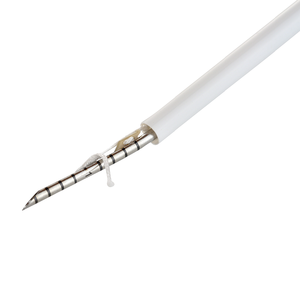
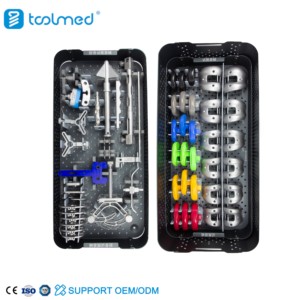
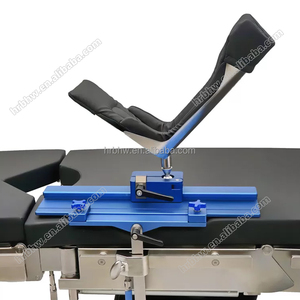
Distributors are increasingly requesting bundled procurement kits—combining high elastic bandages, synthetic casting tapes, meniscal repair suture staplers, and prosthetic joint positioners into unified trauma post-op surgical packs.
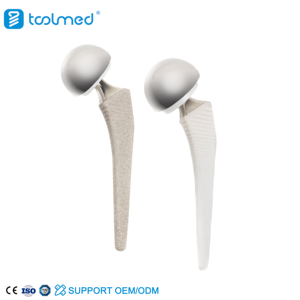
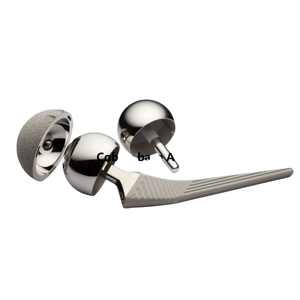
The global medical compression bandage market is projected to reach USD 1.85 Billion by 2030, driven by an aging global demographic, increasing prevalence of diabetes-related vascular complications, and a surging volume of elective joint replacement surgeries (Total Knee Replacement - TKR, Total Hip Replacement - THR).
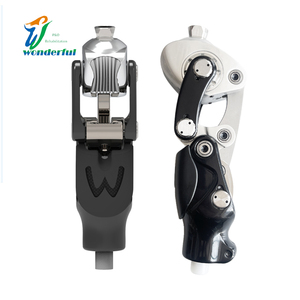
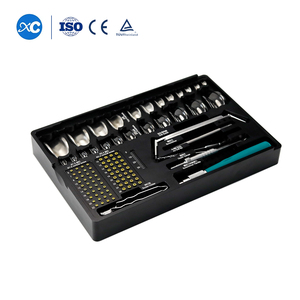
In orthopedic surgical recovery, high elastic compression bandages work synergistically with mechanical devices such as intelligent prosthetic knee joints, tibial instrument sets, and meniscal suture staplers. Post-surgical edema management is crucial: uncontrolled swelling delays wound healing, increases tissue tension around orthopedic implants, and elevates deep vein thrombosis risk.
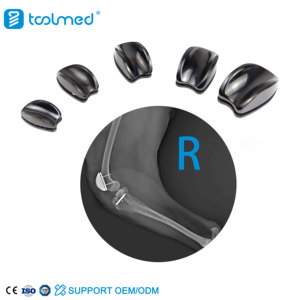
Simultaneously, the expansion of veterinary orthopedics—exemplified by advanced PGR (Patellar Groove Replacement) kits and trochlear implants—demonstrates that precision compression and joint alignment technologies are rapidly expanding across both human and veterinary surgical specialties.
Addressing key technical, logistical, and quality control inquiries for B2B bulk buyers.
Request factory direct price quotes, OEM technical spec sheets, or free clinical evaluation samples today.