Explore certified surgical packs, orthopedic implants, and precision power instrumentation tailored for custom OEM hospital configurations and international regulatory compliance.
An authoritative technical analysis for healthcare procurement directors, OEM brand managers, and surgical supply distributors worldwide.
OEM drape packs utilize advanced SMMS/SMMMS non-woven non-woven substrates engineered to satisfy ANSI/AAMI PB70 Level 3 and Level 4 critical zone liquid barrier requirements, safeguarding surgical teams from viral transfer and bloodborne pathogens.
From total knee/hip arthroplasty to laparoscopy, craniotomy, and cardiovascular procedures, custom drape packs aggregate incise films, fluid collection pouches, tube holders, and mayo stand covers into a single validated sterile tray.
Leading OEM factories maintain rigorous ISO 13485 quality systems, EO (Ethylene Oxide) or Gamma sterilization validation, and full batch traceability in compliance with European MDR (EU 2017/745) and US FDA 21 CFR Part 820.
Understanding fluid dynamics, physical properties, and barrier classifications for optimal surgical draping performance.
| AAMI Level Standard | Material Composition | Impact Penetration Test | Hydrostatic Pressure Test | Primary Clinical Application |
|---|---|---|---|---|
| AAMI Level 1 | Single-Layer Spunbond PP (30-40 gsm) | < 4.5g | > 20 cm H2O | Minimal fluid risk; outpatient procedures, basic dressings |
| AAMI Level 2 | SMS Non-woven Laminate (40-50 gsm) | < 1.0g | > 50 cm H2O | Low fluid risk; tonsillectomy, diagnostic arthroscopy |
| AAMI Level 3 | SMMS / Polyethylene Film Composite (50-65 gsm) | < 1.0g | > 90 cm H2O | Moderate fluid risk; general laparoscopy, open cholecystectomy |
| AAMI Level 4 | Bi-Component SMMMS + Impervious Breathable Film | 0.0g (Viral Penetration ASTM F1671) | Viral/Blood Resistant Barrier | High fluid risk; Total Knee/Hip Replacement, Trauma, Cardiovascular |
Heavy-duty fluid collection bags featuring integrated suction ports, flexible rims, and exit valves to keep the surgical field dry and prevent fluid pooling on operating room floors.
Pre-attached breathable polyurethane incise drapes (with or without Iodine impregnation) providing continuous antimicrobial action directly at the surgical incision site.
Custom-engineered elastomeric apertures that conform tightly around patient limbs (arm/leg fenestrations) to ensure complete sterile perimeter seal during dynamic joint positioning.
Specially treated non-woven fibers engineered to eliminate fiber shedding, significantly reducing particle transport of airborne microorganisms into open wounds.
How leading surgical factories collaborate with medical device distributors to engineer tailored drape packs.
Surgical specialists determine exact drape dimensions, fenestration placement, hand towels, Mayo stand covers, side drapes, adhesive strips, and auxiliary accessories based on surgical protocols.
Engineers craft physical CAD mockups in ISO Class 8 cleanrooms. Samples undergo folding sequencing design, ensuring aseptic presentation when unfolded by surgical scrub nurses.
Sterilization protocols (EO sterilizers with biological indicators) are validated according to ISO 11135. High-speed automated converting machinery executes ultrasonic welding, folding, and pouch sealing.
Emerging global trends reshaping how hospital networks and medical device buyers manage surgical drape supply chains.
With healthcare ESG mandates escalating globally, factories are developing mono-material polyolefin drapes that simplify post-operative medical waste recycling while maintaining uncompromised fluid barrier performance.
Next-generation surgical drapes are incorporating graduated fluid collection pouches with digital sensors to provide real-time blood loss monitoring for anesthesiologists during high-volume surgical procedures.
Procurement directors are shifting from single-source manufacturing to dual-hub supply chains (combining Asian manufacturing powerhouses with Indian medical hubs like Vadodara) to mitigate shipping delays and geopolitical disruptions.
Founded in 1994 in Vadodara, Gujarat, India, Bharucha Associates has spent over 30 years establishing itself as a world-class exporter, manufacturer, and supplier of precision medical supplies, orthopedic power tools, prosthetic components, and customized disposable surgical drape packs.
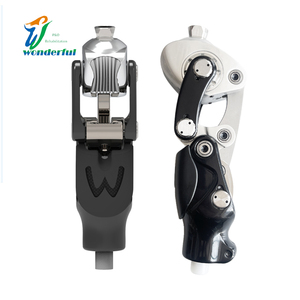
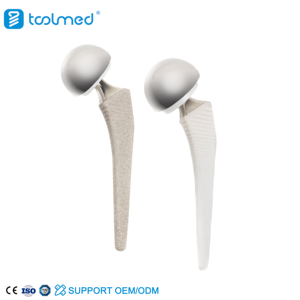
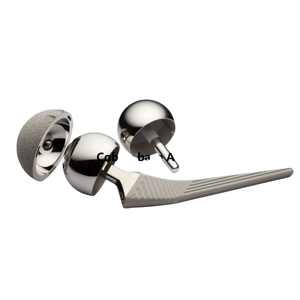
From total knee/hip joint prosthesis and 7-axis intelligent prosthetic joints to battery-operated surgical drills, oscillating saws, and custom OEM surgical drapes, we manage over 500 active medical SKUs.
Our products are manufactured under rigorous ISO standards, backed by CE certifications and complete batch traceabilty to satisfy healthcare tenders in more than 40 countries across Europe, Latin America, the Middle East, and Asia-Pacific.
We specialize in private label OEM contract manufacturing. Whether you require custom fenestration geometry, specialized fluid collection capacity, or branded hospital kit packing, our engineering team delivers tailored solutions.
Expert responses addressing critical regulatory, material, and logistical queries from medical equipment buyers.
When drafting OEM specifications, procurement teams must define: (1) Target ANSI/AAMI PB70 liquid barrier level (Level 1 through Level 4); (2) Base non-woven weight (GSM) and composition (SMS, SMMS, SMMMS); (3) Fenestration geometry, positioning, and elasticity; (4) Incise film requirements (breathability, antimicrobial iodine formulation); (5) Fluid collection pouch volume and drainage valve setup; and (6) Aseptic folding sequence for rapid OR deployment.
All drape packs are assembled in certified ISO Class 8 cleanrooms to control particulate and bioburden counts. Sterilization is conducted via Ethylene Oxide (EO) processing validated under ISO 11135 standards. Every batch undergoes sterility testing, bioburden monitoring, tensile strength validation, and hydrostatic head pressure testing before export documentation is released.
Yes. Bharucha Associates offers complete OEM/ODM private-label capabilities. We customize outer primary pouches, secondary shipper cartons, instruction inserts, barcode labeling (GS1 UDI compliant), and inner pack components to meet specific tender specifications for hospital networks and regional distributors worldwide.
SMS (Spunbond-Meltblown-Spunbond) combines structural strength (spunbond) with micro-filtration (meltblown). SMMS adds a second meltblown layer to enhance hydrostatic resistance against liquid penetration. SMMMS utilizes three internal meltblown layers, delivering superior filtration, alcohol repellency, and softness while achieving AAMI Level 4 barrier protection without sacrificing breathability.
Initial prototype samples and component layout verification are completed within 7 to 10 business days. Following clinical sign-off and order confirmation, bulk production and EO sterilization typically require 21 to 30 days depending on order volume and packaging customization requirements.