Directly manufactured surgical access instruments certified under CE MDR & ISO 13485 standards for minimally invasive surgery (MIS).
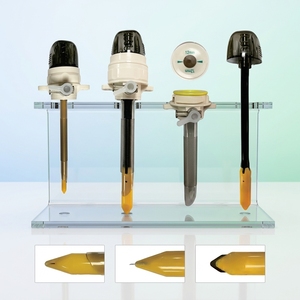
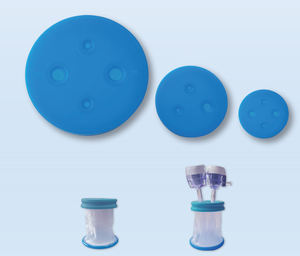
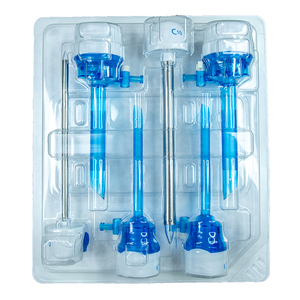
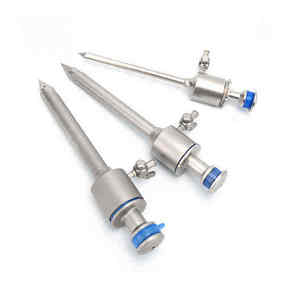
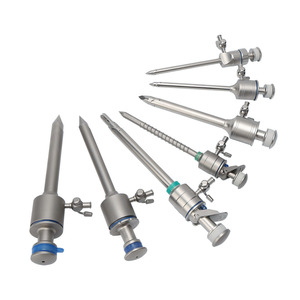
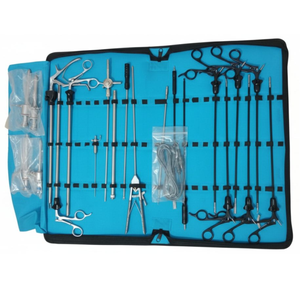
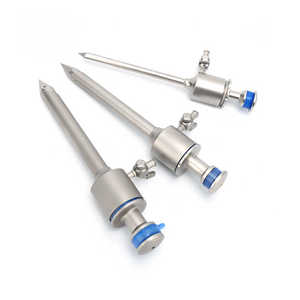
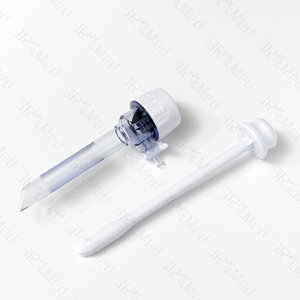
In the landscape of modern Minimally Invasive Surgery (MIS), the laparoscopic trocar system serves as the foundational gateway through which all diagnostic and therapeutic surgical interventions are conducted. As abdominal procedures shift rapidly toward reduced-port and single-port techniques, surgical procurement committees, hospital buyers, and medical device OEM distributors are prioritizing trocar systems that deliver uncompromising abdominal wall retention, zero-leak pneumoperitoneum preservation, and optimal optical clarity during primary blind entry.
Historically, laparoscopic access relied heavily on bladed trocars designed to cut through abdominal fascial layers. However, clinical meta-analyses demonstrate that bladed access carries an increased risk of incisional hernia, vascular laceration, and abdominal wall hematoma. Modern clinical standards favor optical, bladeless dilated trocar tips. These advanced systems separate tissue fibers along natural anatomical planes rather than cutting them, significantly accelerating post-operative patient recovery and reducing wound site complication rates by over 65%.
When selecting a top-tier laparoscopic trocar manufacturer or factory, global procurement teams must evaluate more than just basic dimensional specs. Factors such as silicone seal elasticity, instrument friction coefficients, cannula thread stability under high insufflation pressures, and strict regulatory adherence under the European Union Medical Device Regulation (EU MDR 2017/745) dictate total clinical safety and long-term procurement ROI.
Leveraging over 30 years of medical instrument export and manufacturing heritage (originally established in 1994), our production facilities stand at the forefront of surgical access engineering. Operating under strict ISO 13485:2016 quality management systems and fully compliant with EU MDR CE certifications, our factories serve healthcare institutions, OEM brand partners, and distribution networks across more than 40 countries worldwide.
All disposable trocars are molded, assembled, and primary-packaged within automated Class 100,000 (ISO Class 8) cleanrooms, ensuring ultra-low bioburden levels prior to Ethylene Oxide (EO) gas sterilization.
Every trocar batch undergoes 100% pneumatic pressure testing at 20 mmHg continuous pneumoperitoneum simulation to verify zero air leakage across instrument exchanges ranging from 3mm to 15mm.
We provide full-spectrum private labeling, custom lumen sizing, specialized cannula thread profiles, and tailored surgical kit assemblies for global distributors and medical device brand owners.
Our comprehensive supply catalog encompasses disposable bladed trocars, single-use optical trocars, reusable stainless steel/titanium trocars, single-port multi-channel access devices, and veterinary-grade laparoscopic kits—providing a complete one-stop procurement hub for laparoscopic surgical teams worldwide.
To assist clinical procurement officers and hospital engineering teams, the matrix below details the structural, operational, and safety parameters of the primary trocar configurations manufactured in our facilities:
| Parameter / Feature | Disposable Optical Trocar | Disposable Bladed Trocar | Reusable Stainless Trocar | Single-Port Multi-Channel |
|---|---|---|---|---|
| Primary Entry Safety | Maximum (Direct Visualization) | Moderate (Shielded Blade) | Requires Palpation / Hasson | High (Umbilical Entry) |
| Fascial Trauma | Minimal (Tissue Dilation) | High (Cuts Muscle/Fascia) | Moderate to High | Concentrated Single Site |
| Incisional Hernia Risk | < 0.2% | 1.2% - 3.1% | 1.0% - 2.5% | Negligible |
| Gas Seal Integrity | Dual Silicone Duckbill Valve | Standard Flap / Silicone | Modular Mechanical Valve | Multi-Lumen Diaphragm |
| Autoclave Sterilization | Single-Use (EO Gas) | Single-Use (EO Gas) | Yes (134°C Autoclavable) | Single-Use (EO Gas) |
| Instrument Compatibility | 5mm, 10mm, 12mm Universal | Dedicated Diameter Sizes | Requires Reducer Caps | Multiple 5mm-12mm Ports |
The global market for laparoscopic trocars is projected to expand significantly, driven by the expanding volume of laparoscopic cholecystectomies, bariatric procedures, colorectal surgeries, and gynecological interventions. Based on empirical hospital procurement data and R&D benchmarks, several defining trends are shaping the future of laparoscopic access devices:
With increasing awareness of bio-hazards associated with electrosurgical and ultrasonic cautery plume (contain virions, toxic chemicals, and cellular debris), top manufacturers are embedding dual-channel micro-filtration valves directly into trocar head housings. These smart trocars maintain pneumoperitoneum pressure while continuously venting and filtering surgical smoke without requiring secondary suction pumps.
As robotic surgical platforms become standard in tertiary care hospitals, trocar cannula designs are evolving. Modern trocars feature specialized magnetic retention collars and reinforced structural ribs capable of supporting high lateral torque exerted by robotic instrument arms without dislodging from the abdominal wall.
To reduce single-use medical plastic waste, global factories are investing in bio-compatible, recyclable resin polymers and hybrid trocar architectures. These systems feature a re-sterilizable high-grade titanium shaft paired with a disposable, ultra-clean silicone seal cartridge, reducing single-use plastic waste by up to 60% per operation.
Advance surface treatment technology allows laparoscopic graspers, scissors, and staplers to slide smoothly through trocar seals. Advanced hydrophobic and hydrophilic seal lubricants prevent instrument binding, reduce hand fatigue for operating surgeons, and guarantee zero seal displacement during rapid instrument exchanges.
Below are authoritative answers to critical technical and commercial inquiries submitted by hospital purchasing directors, medical distributors, and OEM buyers:
Whether you are seeking high-volume factory-direct supply, OEM private labeling, or specialized surgical kit assembly, our engineering team delivers precision medical devices tailored to your exact clinical market needs.