High-precision orthopedic, dental, and ENT surgical drill systems engineered for maximum torque consistency, thermal management, and 134°C autoclave durability.
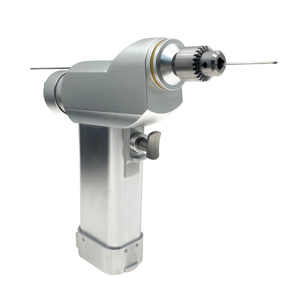
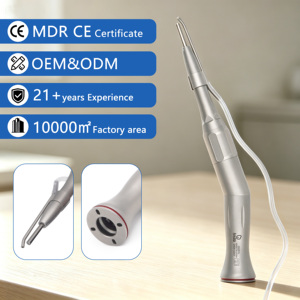
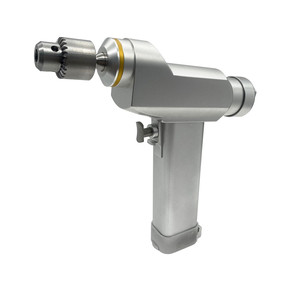
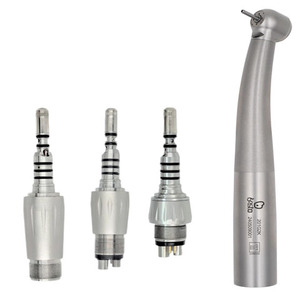
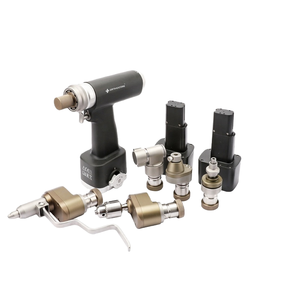
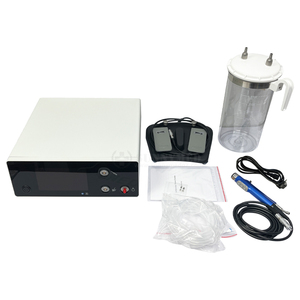
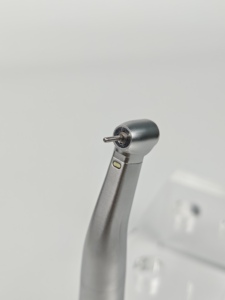
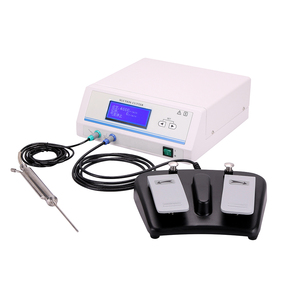
In the rapidly advancing domain of surgical instrumentation, medical air-powered drills (pneumatic surgical power tools) represent a critical pillar of reliability, continuous torque delivery, and thermal safety across orthopedic trauma, neurosurgery, ENT debridement, and dental reconstructive procedures. While battery-operated electric drills have expanded rapidly due to cordless convenience, medical pneumatic drills powered by compressed nitrogen or purified medical air remain the gold standard for high-intensity, continuous surgical operations where thermal overheating, battery decay, and electromagnetic interference (EMI) cannot be tolerated.
As premier Chinese OEMs and exporters elevate their manufacturing capabilities from low-cost assembly to precision-engineered medical instrumentation, global procurement directors, hospital administrators, and medical device distributors face a dynamic market. Sourcing high-speed pneumatic power tools from China now offers an optimal synergy of strict regulatory compliance (ISO 13485, CE MDR, FDA 510k equivalency), rigorous mechanical longevity, and compelling Total Cost of Ownership (TCO) savings ranging between 35% and 55% compared to legacy Western brands.
Key Market Insight for 2025–2030 Procurement: Surgical centers are increasingly transitioning toward hybrid fleet management—deploying lightweight battery handpieces for quick emergency fixation, while relying on heavy-duty pneumatic air turbine drills for complex spinal, craniotomy, and joint replacement procedures requiring uninterrupted power and zero battery thermal degradation.
To assist procurement teams in making data-driven sourcing decisions, the following analytical matrix compares core performance parameters of medical air-powered drills with modern brushless DC electric battery systems:
| Performance Metric | Medical Air Powered Drill (Pneumatic) | Electric Battery Surgical Drill | Clinical Procurement Impact |
|---|---|---|---|
| Power-to-Weight Ratio | Exceptionally High (No internal motor/battery weight) | Moderate (Battery pack adds 300g–500g load) | Reduces surgeon hand fatigue during lengthy procedures |
| Continuous Duty Cycle | Unrestricted 100% Duty Cycle (External air supply) | Limited by battery capacity (20–40 min runtime) | Ideal for complex reconstruction and trauma cases |
| Thermal Management | Expansion of compressed air provides intrinsic cooling | Motor & battery generate radiant heat over time | Prevents bone thermal necrosis (temperatures > 47°C) |
| Autoclave Longevity | Extremely High (Fewer sensitive electronic boards) | Moderate (Requires removal of non-autoclavable battery) | Lowers long-term repair cycles and seal replacements |
| Explosion / EMI Risk | Zero Electrical Sparking / Completely EMI Inert | Requires brushless sealed shielding for RF environments | Safe for use near high-frequency electrosurgical units |
| Average Lifecycle TCO | Low maintenance costs; estimated 7–10 year lifespan | Moderate-High; battery packs require replacement every 18 mos | Reduces hospital capital expenditure over 5-year horizons |
China's leading surgical power tool factories are integrating advanced aerospace metallurgy, dynamic fluid dynamics, and modular quick-connect architectures into their export product lines.
Modern medical air drills utilize Grade 5 Titanium (Ti-6Al-4V) casings, reducing handpiece weight by 40% while enhancing corrosion resistance against harsh alkaline enzymatic detergents used in automated washer-disinfectors.
By engineered internal micro-air-valves and precision ceramic bearings, next-gen pneumatic drills maintain steady stall torque even during line pressure fluctuations between 0.5 MPa and 0.8 MPa, ensuring smooth bone reaming without chatter.
Advanced fluoroelastomer O-rings and proprietary dynamic lip seals protect the internal gear trains against high-pressure steam penetration during 134°C vacuum autoclave sterilization cycles, significantly extending mean time between failures (MTBF).
Modular handpiece designs allow surgeons to seamlessly swap between Jacobs chucks, wire/pin drivers, sagittal saw heads, and reaming attachments in seconds—maximizing surgical versatility without changing the core pneumatic power handle.
Built-in irrigation channels deliver continuous sterile saline directly to the cutting flute or burr tip. This precise liquid delivery prevents bone thermal trauma and flushes debris continuously during ENT nasal shaving and maxillofacial drilling.
Specialized exhaust silencers and helical gear geometry reduce operating sound pressure levels to below 65 dBA, minimizing surgical team fatigue and preserving optimal auditory communication within the operating theater.
The global market for surgical power tools is undergoing a structural transformation. Historically dominated by Western OEMs charging premium prices for replacement parts and annual maintenance contracts, global buyers in Latin America, Southeast Asia, the Middle East, and Eastern Europe are rapidly increasing their procurement shares from certified Chinese manufacturing centers.
Leading Chinese exporters of medical air powered drills have established full compliance with international medical device frameworks. Qualified factories operate cleanroom assembly facilities compliant with ISO 14644 Class 7 standards and maintain comprehensive ISO 13485 Quality Management Systems. Crucially, export models undergo full-spectrum laboratory testing, including:
Unlike rigid off-the-shelf catalog vendors, top-tier Chinese factories offer extensive Original Equipment Manufacturer (OEM) and Original Design Manufacturer (ODM) options. Hospital groups, regional distributors, and medical brands can customize:
When evaluating medical air drills, hospital procurement directors must calculate TCO beyond the initial purchase price. Air-powered systems eliminate expensive lithium-ion battery replacements (which typically decay after 300–500 charge cycles). Furthermore, standardized replacement spare parts (such as bearings, rotor vanes, and seals) sourced directly from Chinese factories cost up to 70% less than legacy OEM spare kits, drastically shortening repair downtime.
Rooted in over three decades of mechanical engineering mastery, our manufacturing facility combines advanced CNC multi-axis machining with stringent biomedical quality controls. We specialize in supplying high-precision medical air drills, cannulated power tools, and surgical saws to international medical distributors, private hospital networks, and veterinary clinics across 50+ countries.
All critical internal shafts, air rotors, and gear assemblies are machined using imported Swiss 5-axis CNC centers, maintaining sub-micron tolerances for whisper-quiet performance and zero micro-vibration.
Every single handpiece is assigned a unique laser-engraved serial number linked to its raw material heat lot, machining log, quality inspection protocol, and pressure calibration certificate.
Addressing technical, operational, and regulatory inquiries common among international medical device buyers and procurement officers.
Medical air-powered drills typically require an operating input pressure between 0.6 MPa and 0.8 MPa (approx. 87 to 116 PSI). The air supply must consist of dry, oil-free medical air or medical-grade compressed nitrogen meeting ISO 8573-1 Class 1 specifications. Using non-filtered air containing moisture or oil droplets will damage internal air turbine vanes and compromise sterile operating environments.
Yes. Our factory provides flexible quick-connect coupling options compatible with major international connector standards, including Schrader, Zimmer, Synthes, and Stryker-style air hose fittings. We can supply custom hoses or handpiece adaptors upon request to ensure seamless integration into your facility's existing central air supply column.
Immediately post-surgery, the handpiece should be wiped down with a neutral pH enzymatic cleaner to remove organic debris (do not submerge the main handpiece completely unless designated IPX8). The unit must then be lubricated with high-temperature medical-grade silicone/synthetic spray through the air inlet. Autoclaving should be conducted using pre-vacuum steam sterilization at 134°C (273°F) for a minimum holding time of 4 to 18 minutes depending on regional hospital hygiene guidelines.
A cannulated drill features a hollow central shaft (typically ranging from 0.8mm to 4.5mm inside diameter) running through the entire length of the handpiece. This allows the surgeon to pass Kirschner wires (K-wires) or guide pins directly through the drill while placing cannulated screws during fracture fixation, intramedullary nailing, and joint reconstruction—drastically improving anatomical accuracy.
Our manufacturing facilities maintain ISO 13485:2016 certification specifically for medical power tool design and production. Our export products comply with CE mark standards under the EU Medical Device Regulation (MDR 2017/745), possess ROHS environmental compliance, and include full Technical Files, Declaration of Conformity (DoC), and Certificate of Free Sale (CFS) necessary for customs registration in LATAM, MENA, and APAC markets.
We offer a standard 12-month factory warranty covering all mechanical parts and handpiece assemblies (excluding normal wear items like burs and blades). For standard product models, lead times range from 7 to 14 working days. Custom OEM/ODM orders with personalized laser branding and custom attachments typically ship within 20 to 30 days. Minimum Order Quantity (MOQ) starts as low as 1 set for sample evaluation and trial orders.
Whether you are upgrading hospital surgical suites, expanding your regional medical distribution catalog, or seeking a reliable OEM partner for custom power tool development, our engineering team is ready to deliver certified precision instrumentation tailored to your technical specifications.