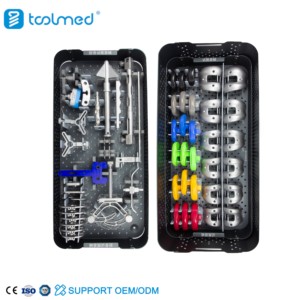
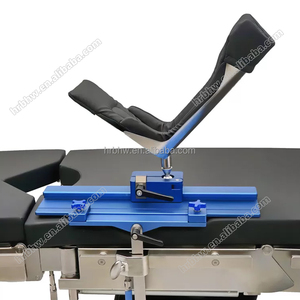
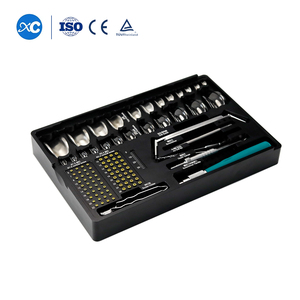
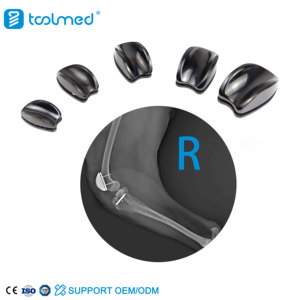
Explore high-grade medical devices, specialized prosthetics, surgical instruments, and sequential compression systems engineered for hospital procurement teams and international healthcare distributors.
1. Clinical & Operational Importance of Sequential Compression Devices (SCDs)
In modern hospital environments, Sequential Compression Devices (SCDs) represent an indispensable pillar of non-pharmacological thromboprophylaxis. Designed primarily to mitigate the risk of Deep Vein Thrombosis (DVT) and Pulmonary Embolism (PE) in perioperative, intensive care, and immobilized orthopedic patients, SCD therapy utilizes gradient pneumatic pressure delivered via multi-chambered inflatable sleeves.
The physiological mechanism rests on intermittent sequential inflation—milking blood distally to proximally along the lower extremities. By mimicking the natural plantar and calf muscle pumps, SCDs significantly accelerate venous blood flow velocity, diminish venous stasis, and stimulate endogenous fibrinolytic activity. For patients undergoing major lower-limb arthroplasty, total knee replacement (TKR), or trauma stabilization where systemic anticoagulants present bleeding risks, sequential pneumatic compression acts as the clinical gold standard.
The global medical device market is undergoing a structural transformation driven by supply chain resilience, patient compliance analytics, and value-based healthcare procurement. Hospital procurement directors and medical equipment importers must navigate several critical emerging trends:
Trend A: Integration of IoT & Compliance Tracking Sensors
Legacy pneumatic pumps are rapidly giving way to smart sequential compression systems integrated with wearable telemetry. Future-ready SCD monitors incorporate real-time wear-time compliance sensors, transmitting patient usage data directly to Hospital Information Systems (HIS) via HL7/FHIR protocols. Procurement strategies are prioritizing units that prevent non-compliance litigation through verifiable digital audit trails.
Trend B: Transition Toward Hybrid Hospital-to-Home (H2H) Systems
Post-discharge DVT prophylaxis is extending recovery protocols beyond acute care facilities into home care. Consequently, global buyers are shifting orders toward ultra-quiet, lightweight, battery-operated sequential compression units that allow ambulatory freedom while maintaining medical-grade compression gradients.
Environmental responsibility is influencing hospital RFP specifications. Leading manufacturers are introducing recyclable, hypoallergenic non-woven garments that maintain breathability and thermal regulation while reducing single-use plastic waste by up to 35%.
3. Product Engineering & Technology Development Roadmap
Technological evolution in sequential compression and complementary surgical orthhetics focuses on micro-processor control, anatomical ergonomics, and multi-modal compatibility:
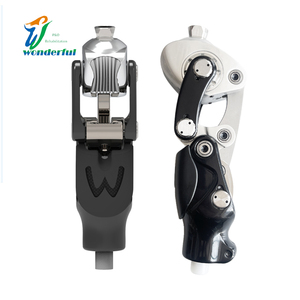
Synergistic Surgical Integration: Modern trauma and orthopedic care demand seamless interaction between compression sleeves, post-operative braces (such as total knee positioners), and intelligent knee joints. Manufacturers are engineering low-profile sleeves designed to fit under hinged orthoses without causing pressure points.
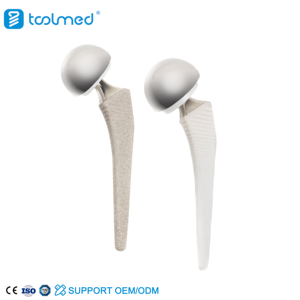
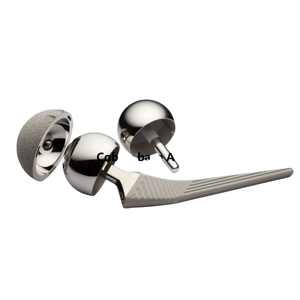
Precision Metallurgy & Investment Casting: In tandem with vascular therapy, orthopedic surgical success hinges on high-integrity implant casting. Cobalt-Chromium-Molybdenum (CoCrMo) alloy casting and titanium plasma coatings ensure wear resistance and optimal osseointegration for total joint replacements.
Why Partner with Bharucha Associates?
Established in 1994 in Vadodara, Gujarat, India, Bharucha Associates has spent over three decades establishing itself as a premier manufacturer, supplier, and global exporter of high-precision orthopedic instruments, sequential compression accessories, surgical drapes, and rehabilitation devices.
30+ Years of Manufacturing Leadership
Proven track record of engineering excellence and clinical reliability since 1994 under expert proprietary stewardship.
Global Export Footprint
Extensive international supply network delivering certified medical products across 40+ countries in Europe, Asia, Africa, and the Americas.
500+ Comprehensive Product SKUs
One-stop procurement catalog spanning surgical drills (Manman/Bell), bone grafts, compression garments, and joint prostheses.
Certified Quality Control
Strict adherence to international ISO and CE compliance standards, ensuring maximum bio-compatibility and operational safety.
Direct OEM & B2B Solutions
Tailored OEM packaging, modular custom sizing, and volume pricing structures optimized for hospital groups and distributors.
End-to-End Technical Support
Dedicated technical sales engineering team available for product selection, logistics management, and post-sale support.
Q1: What is the primary clinical difference between Intermittent Pneumatic Compression (IPC) and Sequential Compression Devices (SCD)?
While both systems utilize air pressure to assist blood circulation, IPC systems typically inflate a single bladder uniformly. In contrast, Sequential Compression Devices (SCDs) utilize multi-chambered sleeves (usually 3 to 5 chambers) that inflate in a timed sequence from the ankle upward to the thigh. This sequential action creates a true peristaltic gradient that drives venous blood past venous valves more efficiently without risking retrograde flow.
Q2: How do global buyers evaluate manufacturer quality when sourcing SCDs and joint implants?
Procurement teams must audit manufacturers for ISO 13485 compliance (Medical Devices Quality Management Systems), CE marking, and FDA clearance where applicable. Key evaluation criteria include pressure calibration accuracy (±3 mmHg), cycle durability test reports (typically 10,000+ continuous hours), thermal dissipation of pumps, and biocompatibility certificates (ISO 10993) for all skin-contacting sleeve fabrics.
Q3: Can sequential compression garments be sanitized and reused across multiple patients?
Standard clinical protocol strongly recommends single-patient-use (SPU) garments to prevent hospital-acquired cross-contamination and surgical site infections (SSIs). However, multi-patient reusable sleeves constructed with antimicrobial, wipeable TPU-laminated fabrics are available for non-surgical outpatient settings when strict chemical disinfection protocols are enforced.
Q4: What customization options are offered for B2B OEM / wholesale orders?
Bharucha Associates provides comprehensive OEM/ODM customization including customer brand labeling, tailored sleeve sizing (bariatric, pediatric, extra-long), specialized tubing connector configurations, custom voltage pump adaptations (110V-240V), and localized user manuals for international regulatory approvals.
Q5: What are the key maintenance requirements for pneumatic compression pump units?
Routine hospital maintenance involves quarterly pressure calibration verification using a calibrated pressure gauge, air filter cleaning/replacement every 6 months, battery capacity testing annually, and visual inspection of quick-connect hose fittings for air leakages.
Q6: What is the typical Minimum Order Quantity (MOQ) and lead time for export shipments?
Standard export MOQs vary by product category—typically 50–100 units for mechanical equipment and 500–1,000 units for consumables such as compression sleeves or casting tapes. Production lead times average 14–21 business days following order confirmation, supported by multimodal shipping options via sea freight, air cargo, or express courier.
Q7: How do sequential compression sleeves interact with total knee replacement post-operative positioners?
Low-profile sequential compression sleeves are specifically engineered to fit within anatomical knee positioners and braces. The sleeve delivers distal-to-proximal vascular pumping without interfering with the alignment pins, hinge joints, or structural straps of orthopaedic positioning braces.
Q8: Why is Cobalt-Chromium-Molybdenum (CoCrMo) alloy preferred for total joint replacement castings?
CoCrMo alloy offers exceptional biocompatibility, superior resistance to fretting corrosion, and a extremely high yield strength. Its polished surface coefficient of friction against ultra-high-molecular-weight polyethylene (UHMWPE) minimizes wear debris, ensuring longevity in load-bearing prosthetic applications.
Q9: What battery safety certifications are required for portable sequential compression units?
Portable SCD pumps powered by lithium-ion battery packs must comply with UN 38.3 transport safety standards, IEC 62133 safety requirements for sealed secondary cells, and IEC 60601-1 electrical safety standards for medical electrical equipment.
Q10: How does Bharucha Associates ensure global logistics and warranty support?
All shipments originate from our central hub in Vadodara, Gujarat, India, backed by export documentation (Certificates of Origin, Commercial Invoices, MSDS, and Packing Lists). Equipment items carry a standard 12-to-24-month factory warranty supported by direct replacement component logistics.
Contact our specialized medical device procurement team to receive OEM quotations, detailed technical specifications, or compliance certification documentation for your region.