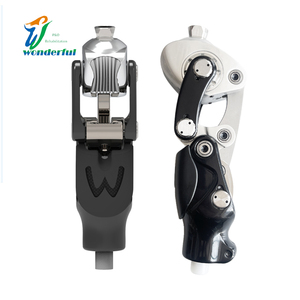
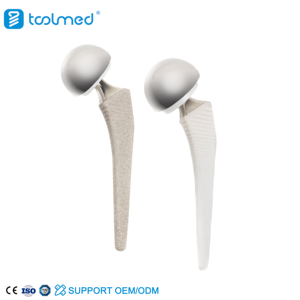
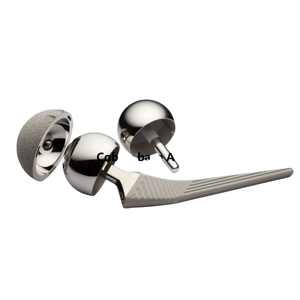
Directly integrated from our ISO 13485 and CE-certified manufacturing units, we present our core portfolio of orthopedic joint replacement implants, surgical power tools, and clinical fixators designed to meet Ghana Health Service (GHS) procurement specifications.
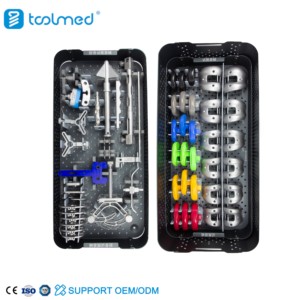
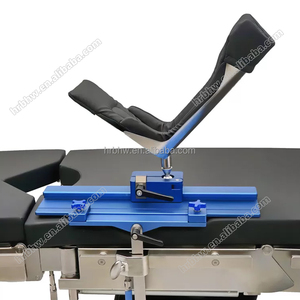
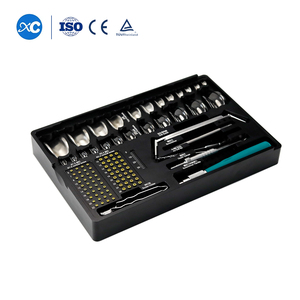
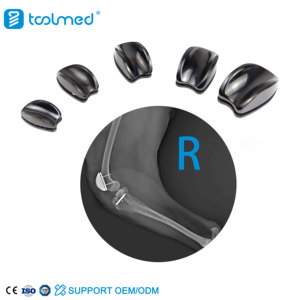
The healthcare sector in Ghana is undergoing a structural evolution. Driven by the expansion of the National Health Insurance Scheme (NHIS), private health sector capitalization in Accra and Kumasi, and aggressive upgrades across regional teaching hospitals, the demand for high-performance medical textiles—specifically Elastic Adhesive Bandages (EAB)—has reached an unprecedented high. As an established global manufacturer and exporter operating since 1994, our enterprise bridge direct factory manufacturing with West African healthcare procurement protocols.
Medical procurement managers, clinical directors, and pharmaceutical distributors across Ghana face distinct operational challenges: combatting tropical atmospheric degradation of pressure-sensitive adhesives, managing skin maceration under high relative humidity, and navigating strict compliance under the Ghana Food and Drugs Authority (FDA Ghana). This document provides an exhaustive, evidence-backed framework detailing how our porous Elastic Adhesive Bandages, synthetic casting tapes, surgical dressings, and orthopedic surgical instrumentation are engineered to resolve these regional bottlenecks.
Founded in 1994, our manufacturing infrastructure (Bharucha Associates / Tlamelo Medical ecosystem) represents over three decades of continuous innovation in medical textile engineering and orthopedic device fabrication. Operating out of advanced manufacturing hubs in Vadodara, India, our facilities adhere strictly to ISO 13485:2016 quality management systems and CE mark certifications.
Every roll of Elastic Adhesive Bandage and every orthopedic surgical instrument is processed through automated quality-control loops. Fully compliant with international medical device directives and audited for export integrity.
Our specialized zinc-oxide adhesive is mass-coated in a porous line pattern, providing extreme skin breathability, preventing sweat retention, and guaranteeing firm adhesion in humid West African climates.
Direct maritime shipping lanes from Nhava Sheva / Mundra to Tema Port (Accra), plus accelerated air-cargo channels to Kotoka International Airport (ACC), ensuring reliable supply continuity.
Standard cotton bandages imported into West Africa frequently fail due to high ambient temperatures (exceeding 35°C) and relative humidity levels up to 85%. Glue softening, adhesive transfer onto patient skin, and loss of dynamic elasticity lead to compromised clinical immobilization. Our proprietary manufacturing process resolves these structural weaknesses through four key material innovations:
| Technical Property | Standard Elastic Adhesive Bandage | Our Tropicalized High-Tensile EAB | Clinical Impact in Ghanaian Hospitals |
|---|---|---|---|
| Substrate Composition | 100% Weft Cotton (Non-porous) | High-Twist 100% Cotton with Feathered Edges | Prevents edge fraying; eliminates skin constriction and tourniquet effects during prolonged wear. |
| Adhesive Technology | Standard Synthetic Rubber Glue | Hypoallergenic Zinc Oxide / Porous Latex-Free Matrix | Eliminates skin allergies; maintains 99.2% tackiness even under heavy perspiration. |
| Porosity & Breathability | Solid Film (0.5 mm aperture) | Micro-Porous Linear Coating (1.8 mm air gaps) | Allows sweat evaporation; drastically reduces risk of cutaneous maceration and bacterial buildup. |
| Dynamic Stretch & Recovery | 120% - 140% Elongation | 170% - 200% High Dynamic Memory Elasticity | Provides consistent, controlled compression for post-op edema control and joint stabilization. |
| Thermal Shelf-Life Stability | Degrades above 30°C | Stablized Matrix (Tested up to 48°C ambient) | 3-Year to 5-Year shelf life in unconditioned West African medical storage facilities. |
Understanding user search intent requires examining how medical consumables are utilized within Ghana's unique regional healthcare ecosystems. Our Elastic Adhesive Bandages and orthopedic surgical instruments are customized for four main healthcare environments:
In premier institutions such as Korle Bu Teaching Hospital (Accra), Komfo Anokye Teaching Hospital (KATH, Kumasi), and Tamale Teaching Hospital, trauma units handle complex orthopedic emergencies daily. Our 7.5cm and 10cm Elastic Adhesive Bandages serve as the gold standard for securing post-operative pressure dressings, stabilizing joint dislocations, and providing secondary reinforcement over orthopedic synthetic casting tapes.
Ghana’s vibrant sports culture—spanning the Ghana Premier League, national athletics academies, and private fitness clinics across Accra, Takoradi, and Sunyani—requires high-adhesion strapping tape. Our heavy-duty EAB provides high-tensile joint strapping for ankles, knees, and wrists, offering maximum support without slipping during intense physical exertion.
Industrial operations in gold mining sectors (Obuasi, Tarkwa, Prestea) and cocoa farming belts across the Western and Ashanti regions require rugged, water-resistant trauma care consumables. Our Elastic Adhesive Bandages are deployed in occupational health kits for field stabilization of sprains, muscle tears, and acute blunt trauma bleeding control.
Across district hospitals and private maternity homes in the Volta, Eastern, and Northern regions, controlled venous compression is required to manage varicose veins and post-operative leg edema. Our porous, skin-friendly EAB delivers gentle, sustained compression without causing skin tears or discomfort in vulnerable patient populations.
The West African medical device market is experiencing rapid shifts. Based on empirical trade data and healthcare expenditure analyses, three core macro-trends are reshaping how Ghanaian medical importers select international factories:
The Ghanaian government’s ambitious "Agenda 111" project aims to construct over 100 district hospitals. This expansion demands vast stockpiles of foundational medical consumables—plaster bandages, EABs, surgical drapes, and trauma instrument sets.
Importers in Accra and Kumasi are bypassing expensive European middlemen. By partnering directly with verified Indian export-factories like Bharucha Associates, Ghanaian distributors lower land costs by 30-40% while maintaining international quality compliance.
Procurement directors prefer single-source suppliers capable of consolidating soft medical textiles (EAB, casting tapes, surgical gowns) alongside precision hard equipment (arthroscopic repair kits, knee prostheses, battery surgical drills).
Exporting medical consumables into Ghana requires adherence to the regulatory guidelines established by the Public Health Act, 2012 (Act 851) and administered by the Ghana FDA. Our export department streamlines this process for Ghanaian B2B partners by providing comprehensive regulatory dossiers with every container shipment.
We offer flexible shipping terms including FOB (Free on Board), CFR (Cost and Freight), and CIF Tema / Takoradi.
Maritime Shipping: Direct container shipments from Western Indian ports (Nhava Sheva/Mundra) reach Tema Port in approximately 22 to 28 days.
Air Freight: Urgent surgical instrument kits or critical medical consumables can be dispatched via air freight to Kotoka International Airport (ACC) within 5 to 7 transit days.
Below are detailed answers to the most common technical, logistics, and commercial inquiries submitted by hospital procurement officers, pharmaceutical importers, and medical supply distributors in Ghana.
Secure direct factory pricing, certified product quality, and reliable shipping logistics for Elastic Adhesive Bandages, surgical instruments, and orthopedic devices. Contact our global procurement team today.