
Bordered Silicone
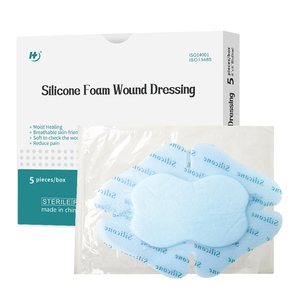
Explore our ISO 13485-certified, CE-marked silicone foam wound care dressings manufactured for Australian hospital groups, wholesale distributors, and medical supply chains.
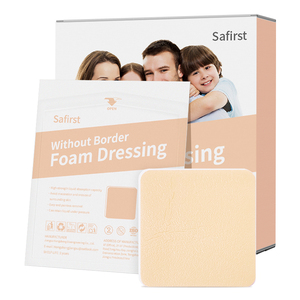
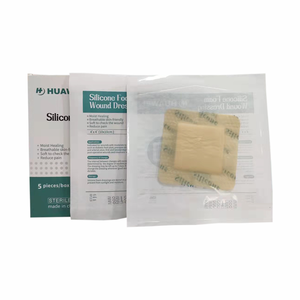
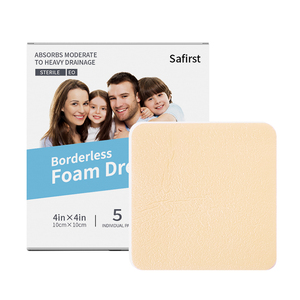
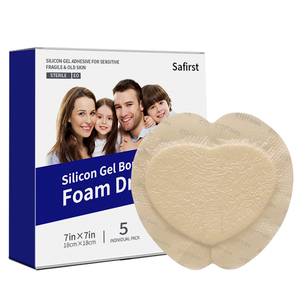
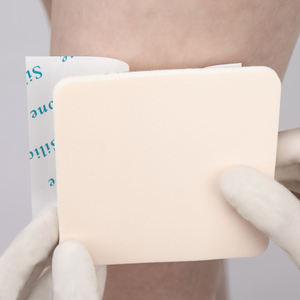
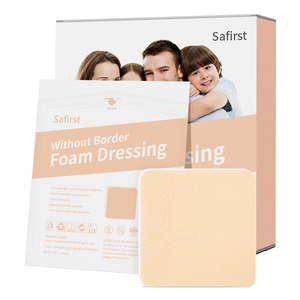
Chronic and complex wound management represents one of the most critical operational and financial challenges facing the Australian healthcare infrastructure today. According to epidemiological assessments published by Wounds Australia, over 420,000 Australians suffer from chronic wounds at any given time, creating a direct healthcare expense exceeding AUD $3 billion annually. As the Australian population ages and the incidence of Type II diabetes and vascular comorbidities expands, public hospital networks (such as NSW Health, Queensland Health, and Victorian Department of Health), private healthcare groups (Ramsay Health Care, Healthscope), and Residential Aged Care Facilities (RACFs) are aggressively overhauling their wound care procurement protocols.
Modern clinical guidelines in Australia prioritize dressings that fulfill three non-negotiable criteria: superior exudate handling capacity (EHC), atraumatic dressing change capability (to eliminate Medical Adhesive-Related Skin Injuries or MARSI), and extended wear time (up to 7 days) to reduce nursing labor burden. Silicone foam wound dressings—particularly 3-layer and 5-layer perforated soft silicone matrix constructs—have emerged as the gold standard across primary, secondary, and tertiary care settings.
Information Gain Key Takeaway: Unlike traditional polyurethane or acrylic-based adhesive dressings that strip epidermal cells during removal, modern Soft Silicone Gel Technology creates a micro-adhesion contact layer. This allows the dressing to adhere securely to dry surrounding intact skin while floating harmlessly over the moist wound bed, preserving delicate granulation tissue and micro-capillaries.
To understand why silicone foam wound dressings outpace conventional gauze, hydrocolloids, and simple film dressings, healthcare procurement professionals and clinical nurse consultants (CNCs) must evaluate the physical mechanics of fluid management within the dressing's multilayer architecture. As a premier global exporter and OEM manufacturer, our production lines utilize state-of-the-art lamination and precision micro-perforation technology.
| Performance Characteristic | Standard Acrylic / Foam | Bharucha Medical Silicone Foam | Clinical Advantage for AU Procurement |
|---|---|---|---|
| Peel Force on Removal | 3.5 N – 5.2 N (High stripping risk) | 0.6 N – 1.1 N (Atraumatic) | Eliminates skin tears in fragile RACF geriatric patients |
| Fluid Handling Capacity (EHC) | 12 – 18 g / 10cm² / 24h | 32 – 45 g / 10cm² / 24h | Reduces dressing change frequency from daily to bi-weekly |
| Lateral Exudate Migration | High (Causes peri-wound maceration) | Zero (Vertical lock-in design) | Protects healthy marginal epithelial tissue |
| Waterproof / Showerproof Integrity | Partial / Flakes under humidity | 100% Hydrophobic backing barrier | Allows uninterrupted personal hygiene routines for patients |
| TGA & ISO Compliance Status | Variable / Basic Certifications | ISO 13485, CE 2797, TGA ARTG Ready | Seamless import compliance into Sydney, Melbourne, Brisbane ports |
Australian clinical environments present unique challenges ranging from extreme environmental temperatures in Outback regional clinics to strict staffing ratios in metropolitan hospital wards. Silicone foam dressings must be versatile enough to function across diverse care paradigms:
Australia's 2,700+ aged care facilities care for residents with paper-thin, fragile skin. Our Bordered & Non-Bordered Silicone Foam Dressings serve as the primary intervention for Grade 1-4 Pressure Injuries (sacrum, heel, trochanter) and Category 1a/1b skin tears, ensuring pain-free inspections and dressing replacements.
Under NDIS and My Aged Care home visit programs, community nurses manage heavily exuding Venous Leg Ulcers (VLUs) under compression therapy. Non-bordered silicone foam pads retain structure and absorption under multi-layer short-stretch compression wraps without bunching or displacement.
Following Total Knee Arthroplasty (TKA), Hip Replacement, or abdominal surgical procedures in hospitals across Sydney and Melbourne, flexibility and waterproof sealing are vital. Our contoured silicone dressings flex dynamically with joint articulation while keeping surgical sites sterile during showering.
Specially designed single-piece silicone foam NPWT dressings with suction ports facilitate smooth negative pressure transfer in trauma cases, protecting delicate surgical wound beds while promoting rapid tissue granulation.
The Australian B2B medical consumable market is shifting from transactional buying to strategic manufacturer-direct partnerships. Importers, wholesale distributors (such as EBOS Group, CH2, Independence Australia), and healthcare tenders are evaluating suppliers based on three macro factors:
Rooted in three decades of healthcare manufacturing excellence (originally established in 1994 as a premier supplier of precision orthopedic instruments, surgical power tools, bone grafting materials, and advanced surgical dressings), our enterprise infrastructure is built on uncompromising clinical precision.
Trusted supplier shipping high-tier surgical and wound care devices to over 40+ countries across Australia, Europe, and Asia-Pacific.
State-of-the-art cleanroom manufacturing with automated die-cutting, silicone coating, and EO (Ethylene Oxide) terminal sterilization.
Custom pouch artwork, standardized clinical outer cartons, custom dimensions (sacral, heel, tracheostomy cutouts), and barcode integration.
Rigorous Quality Assurance protocols verifying sterile barrier integrity, peel strength consistency, and bio-burden safety.
Streamlined freight handling directly to major Australian container ports: Sydney (Port Botany), Melbourne, Brisbane, and Fremantle.
Transparent tiered wholesale pricing tiers engineered to give Australian distributors competitive tenders in public health contracts.
Addressing common technical, legal, and operational inquiries from Australian medical purchasing officers, hospital logistics leads, and pharmacy wholesalers:
Yes. Our medical silicone foam dressings are manufactured in strict compliance with ISO 13485 standards and hold CE Certification (Class IIa medical devices). We provide complete Technical Files, Sterilization Validation Reports (ISO 11135), and Biocompatibility Dossiers (ISO 10993) to enable Australian importers and Australian Sponsor companies to complete seamless ARTG (Australian Register of Therapeutic Goods) listings.
All sterile silicone foam dressings carry a validated 3-year or 5-year shelf-life from the date of Ethylene Oxide (EO) sterilization. The dressings are packaged in high-barrier medical-grade paper-poly pouches that withstand environmental humidity changes during ocean freight transit to Australian ports (Sydney, Melbourne, Brisbane).
Absolutes. We specialize in OEM and Private Label manufacturing for Australian distributors. We customize inner pouch packaging, master cartons, outer branding, SKU barcodes (GS1 compliant), and instruction for use (IFU) leaflets according to your corporate specifications.
Bordered silicone foam dressings feature an integrated adhesive soft-silicone perimeter flange, eliminating the need for secondary fixation tape—ideal for sacral pressure ulcers, surgical incisions, and standalone wound management. Non-bordered dressings consist purely of the foam absorber and silicone contact surface, designed to be cut to size or secured beneath compression bandages (e.g., in Venous Leg Ulcer management).
Traditional acrylic adhesives form a rigid bond with the stratum corneum, stripping epidermal cells upon removal. Soft silicone technology creates a micro-compliant interface that adheres gently to dry skin while maintaining zero adhesion to moist wound beds. This results in painless, atraumatic removal that preserves intact skin in elderly aged-care residents.
Our standard MOQ for stock catalog sizes starts at 1,000 to 5,000 units per size SKU. For custom private label OEM runs, MOQs typically begin at 10,000 units per specification. We offer mixed-container consolidation options to support distributors growing their product portfolio.
Silicone foam wound dressings generally fall under HS Code 3005.90 (Wadding, gauze, bandages, and similar articles impregnated or coated with pharmaceutical substances or put up for retail sale). Importers should verify specific duty concessions under Australian Customs guidelines.
We supply complimentary clinical trial evaluation sample packs to qualified healthcare procurement managers, hospital supply directors, and wholesale distributors in Australia. Click the catalog button below to connect with our international export department.
Empower your healthcare distribution network in Australia with certified, high-performance wound care solutions. Request our full 2025 Product Catalog, OEM Pricing Matrix, and Technical Compliance Dossier today.