Engineered for high fluid handling capacity, minimal skin maceration, and pain-free removal. Fully compliant with EU Medical Device Regulation (MDR 2017/745) for immediate Finnish hospital deployment.
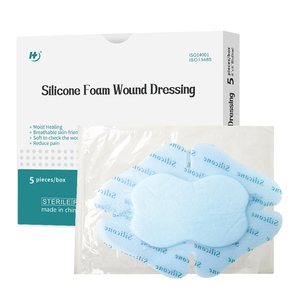
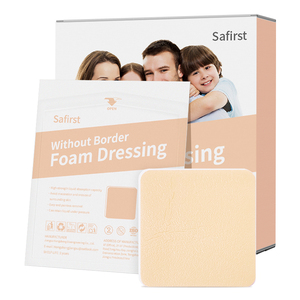
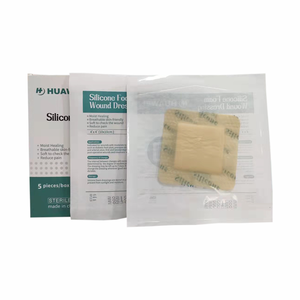
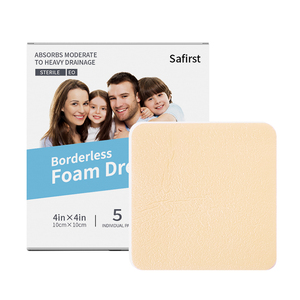
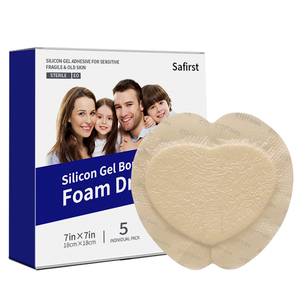
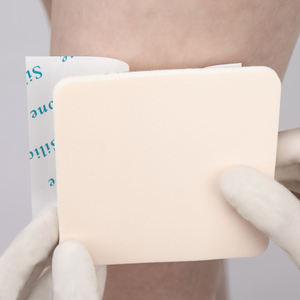
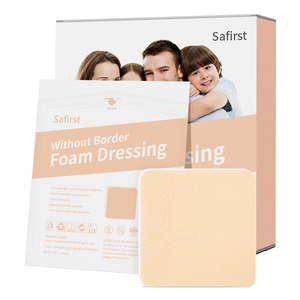
Finland’s healthcare system is undergoing a transformative modernization following the structural reform into 21 Wellbeing Services Counties (hyvinvointialueet) alongside the Helsinki University Hospital system (HUS). Procurement boards are increasingly prioritizing chronic wound care solutions that balance clinical efficacy, patient comfort, and total treatment cycle cost-containment.
Silicone foam wound dressings have emerged as the gold standard in Nordic wound care protocols due to Finland's demographic shift towards an aging population. According to recent epidemiological assessments across the Nordic region, over 1.8% of the adult population suffers from chronic exuding wounds, including venous leg ulcers (VLUs), diabetic foot ulcers (DFUs), and pressure injuries acquired in long-term eldercare facilities.
As a leading international manufacturer and exporter with over 30 years of medical device engineering expertise (established 1994), our organization bridges the gap between high-volume manufacturing efficiency and rigorous European Union compliance (EU MDR 2017/745). This technical paper outlines our structural engineering, localized application scenarios, and supply chain capabilities for medical procurement directors across Finland.
To withstand cold-climate skin challenges, where low humidity levels indoors during Finnish winters increase skin fragility among hospitalized patients, our silicone foam dressings utilize a sophisticated 5-tier vertical absorption architecture:
The wound contact layer is engineered with hydrophobic soft silicone perforated via laser precision. This layer forms a gentle, intimate seal with dry surrounding skin while remaining inert over moist open wound beds. It completely prevents adhesive adhesion to delicate newly formed granulation tissue, ensuring atraumatic and pain-free removal (Visual Analog Scale pain score < 1.2 during changes).
The middle open-cell polyurethane matrix provides high capillary pressure, absorbing exudate rapidly in the vertical direction. This locks fluid inside the foam structure, preventing lateral exudate migration that typically leads to skin maceration around wound margins.
Integrated within our high-exudate models, the SAP layer chemically binds fluid into a stable gel under compression. This feature is critical for Finnish patients undergoing compression therapy for chronic venous insufficiency (e.g., short-stretch compression bandage systems).
Featuring a Moisture Vapor Transmission Rate (MVTR) exceeding 3,500 g/m²/24h, the semi-permeable film dynamically adjusts gas exchange based on wound moisture levels while serving as a 100% liquid, viral, and bacterial barrier.
Prevents fluid leakage and maceration even under multi-layer compression therapy systems commonly used in Finnish phlebology clinics.
Multi-layered cushion design redistributes shear force and pressure over sacral and heel anatomical zones in bedridden hospital patients.
100% latex-free, rosin-free, and phthalate-free materials meeting ISO 10993 cytotoxicity and sensitization standards.
To assist healthcare technology assessment (HTA) teams within Finnish hospital districts, the table below provides benchmarking data comparing our silicone foam dressings against traditional hydrocolloid and non-silicone foam alternatives:
| Performance Parameter | Our Silicone Foam Dressing | Traditional Hydrocolloids | Standard Non-Silicone Foam |
|---|---|---|---|
| Adhesive Removal Trauma | Zero Trauma / Pain-Free | Moderate to High Risk | High Skin Stripping Risk |
| Fluid Handling Capacity (FHC) | > 120 g/100 cm² / 24h | 40 - 60 g/100 cm² / 24h | 70 - 90 g/100 cm² / 24h |
| MVTR (Breathability Rating) | 3,500+ g/m²/24h | < 800 g/m²/24h | 1,800 - 2,200 g/m²/24h |
| Maximum Wear Time | Up to 7 Days | 3 to 5 Days | 3 to 4 Days |
| NPWT Compatibility | Fully Compatible System | Not Compatible | Requires Adapter Modifications |
| Periwound Maceration Risk | Minimized (< 0.5% Clinical Rate) | Elevated in Heavy Exudate | Moderate Lateral Dispersion |
Our tailored product formats serve distinct clinical settings across Finland, ensuring optimized clinical outcomes and procurement compliance:
In high-acuity surgical departments (such as abdominal, orthopedic, and cardiothoracic wards), post-operative incisional management requires sterile, waterproof, and flexible dressings. Our Bordered Adhesive Silicone Foam Dressings provide an intact seal allowing patients to shower without changing dressings, keeping surgical sites protected against hospital-acquired surgical site infections (SSIs).
Elderly patients in long-term care homes in regions like Pirkanmaa, Varsinais-Suomi, and Keski-Suomi present thin, parchment-like skin. Traditional acrylic adhesives frequently cause epidermolysis and painful skin tears. The soft silicone contact layer ensures daily inspection or multi-day wear without damaging fragile epidermal layers.
In outpatient clinics treating chronic ulcers, controlling moisture levels while protecting microcirculation is critical. Non-bordered absorbent foam dressings paired with custom compression wraps allow clinicians to trim dressings to exact anatomical contours (e.g., interdigital areas or diabetic plantar ulcers).
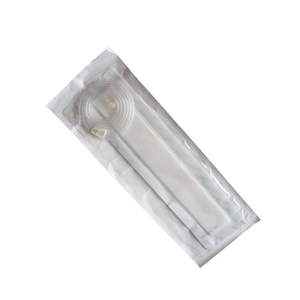
For complex traumatic wounds and open abdominal management, our specialized One-Piece NPWT Silicone Foam Dressing with pre-fitted connection ports simplifies vacuum seal setup, shortening operative preparation time in emergency surgical departments.
Finnish public sector tenders administered through Hansel Oy and local health authority procurement frameworks increasingly demand suppliers to meet stringent environmental and security-of-supply metrics:
Leveraging our 30-year legacy in medical equipment manufacturing and global export across 40+ nations, our company delivers an unmatched combination of clinical quality and B2B flexibility:
Our manufacturing facilities operate under Class 100,000 (ISO Class 8) cleanroom environments equipped with automated coating, laminating, and die-cutting technology. Every production batch undergoes rigorous lot-by-lot testing for fluid absorption capacity, peel adhesion strength, sterile barrier integrity, and ethylene oxide (EO) residual analysis.
Request technical dossiers, volume quotation pricing, or sterile trial samples for your hospital network or wholesale supply chain in Finland today.
Contact Us